In modern industry and commerce, energy is no longer just a utility, but a strategic asset. Driven by rising electricity prices and the push for carbon neutrality, enterprises need more than just batteries—they require integrated, intelligent solutions.
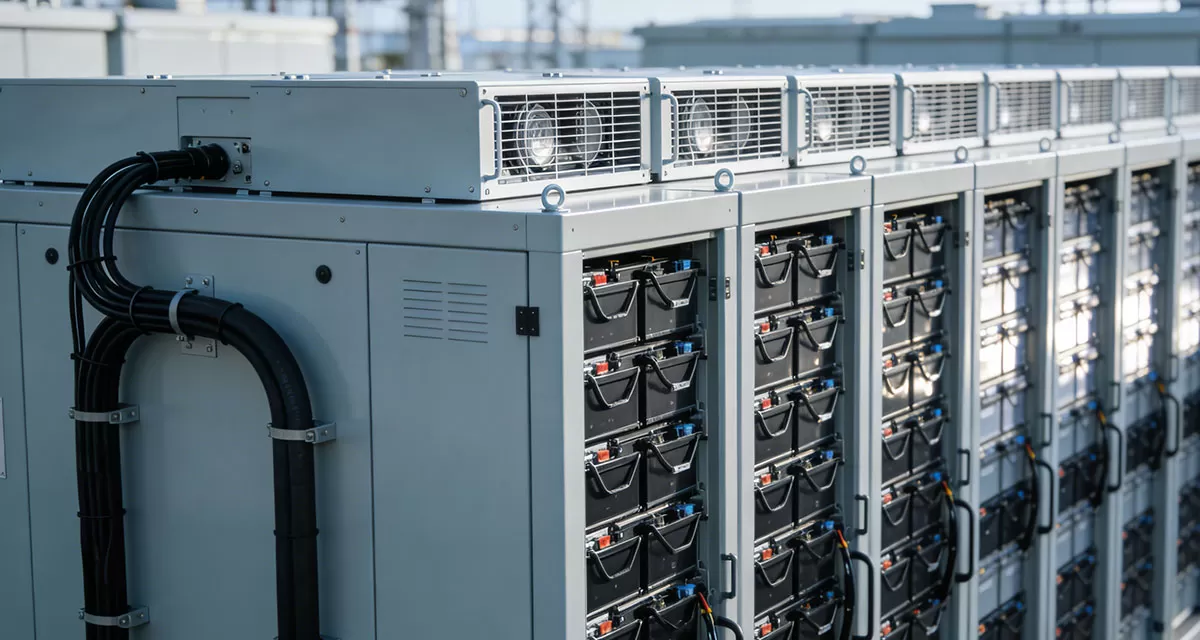
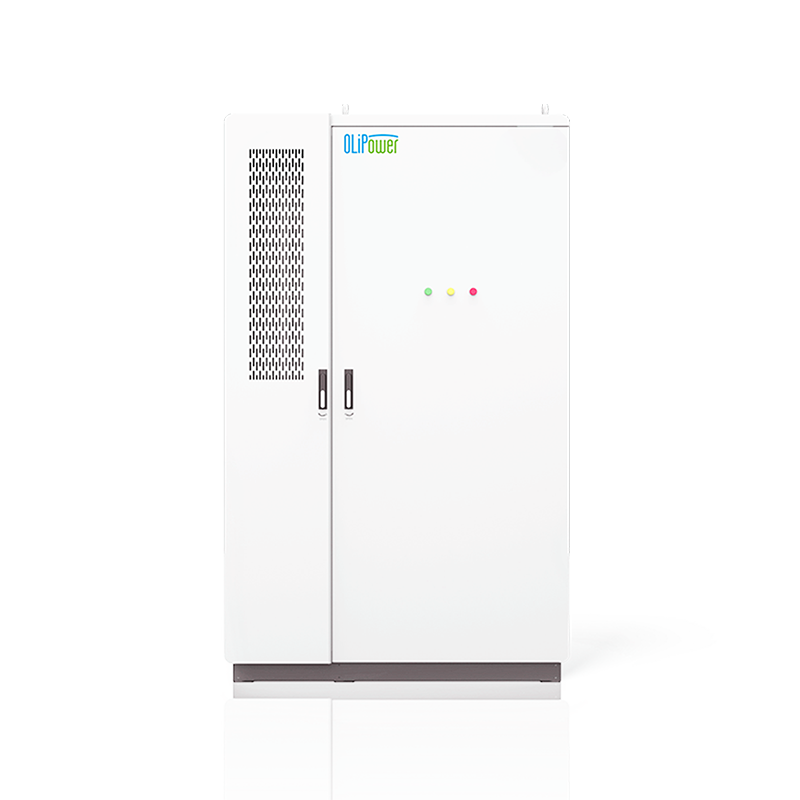
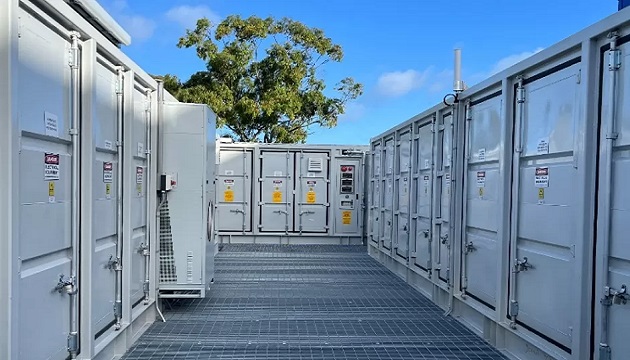
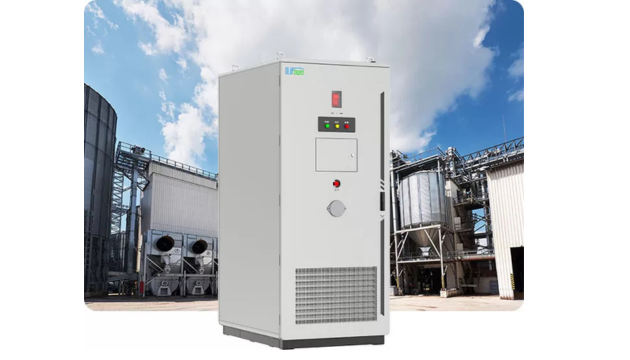
Versatility defines a true industrial and commercial solution. OLiPower energy storage cabinets adopt an all-in-one integrated design, incorporating a Battery Management System (BMS), Power Conversion System (PCS), and advanced inverters. This integration enables businesses to manage both PV input and grid connection simultaneously. By simplifying hardware, OLiPower reduces installation complexity and footprint, making it an ideal choice for space-constrained factories, shopping malls, and data centers.
Profitability is key for any enterprise. Our energy storage solutions are designed to maximize return on investment through multiple advanced operating modes:
Peak Shaving & Valley Filling: Automatically discharges during peak demand periods to avoid high demand charges from utility companies.
Self-Consumption: Stores excess solar energy during the day for use at night, significantly reducing grid dependency.
Energy Arbitrage: Charges during low-price off-peak periods and discharges when electricity prices are high.
Backup Power: Ensures zero interruption to critical production lines during grid outages, preventing costly downtime.
Reliability is non-negotiable in industrial applications. OLiPower energy storage cabinets use automotive-grade LiFePO4 cells combined with a dual-redundant safety system. Our architecture efficiently manages thermal loads, keeping the system within optimal temperature ranges even under heavy industrial cycling. In addition, the intelligent EMS monitors each cell in real time and provides predictive maintenance alerts to resolve issues before failures occur.
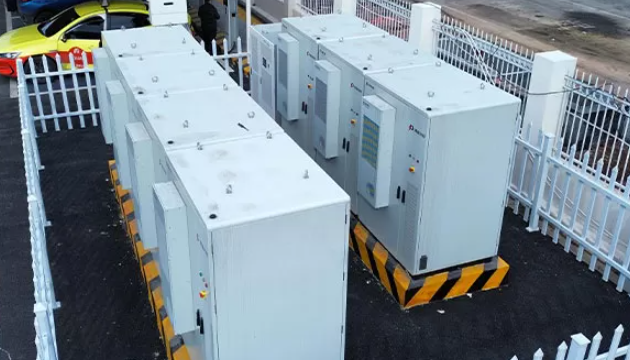
As businesses grow, so do their energy demands. OLiPower energy storage cabinets are built on a modular concept. Our cabinets support parallel expansion, allowing businesses to start with a smaller capacity and scale up gradually as production lines expand or EV charging demand increases. This modularity protects your initial investment and enables energy infrastructure to adapt to the evolving needs of the green energy transition.

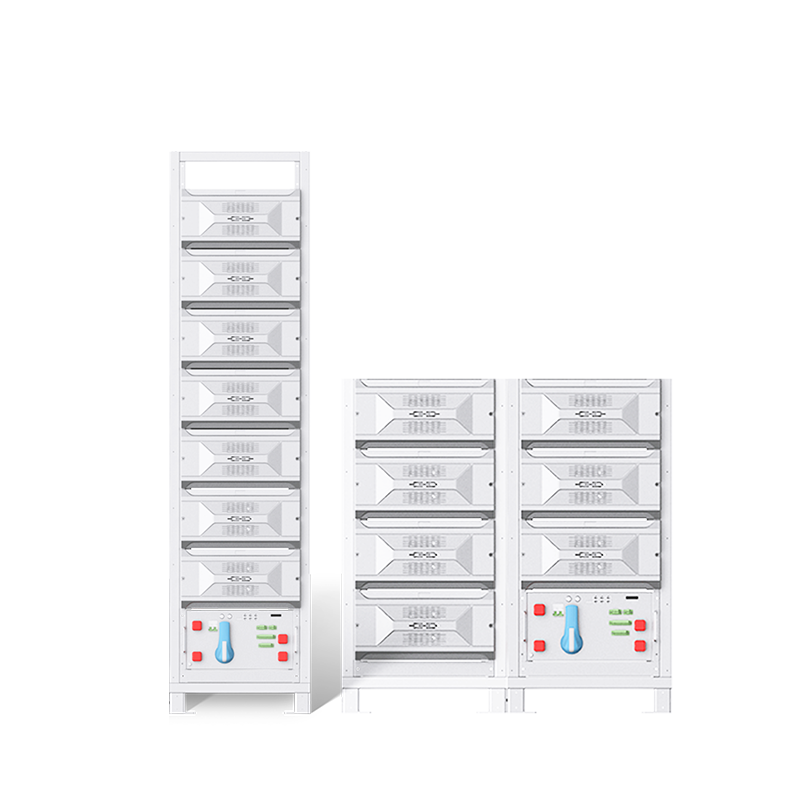
111_20260722093652.png "50kW/111kWh Hybrid ESS Cabinet")