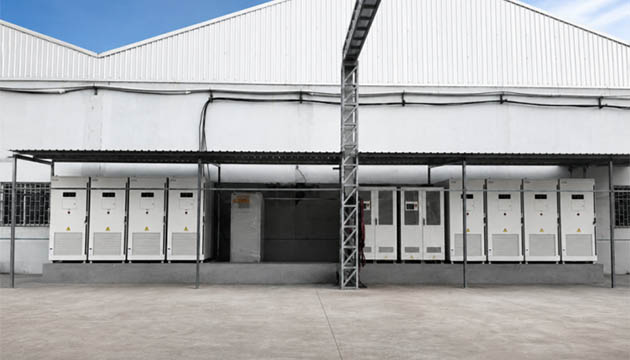
In remote areas without grid access or with unstable power supply, sunlight is an inexhaustible resource, yet it is difficult to convert into consistent and reliable energy. Traditional standalone photovoltaic (PV) systems are highly weather-dependent, leaving areas in darkness at night and on rainy days. Today, the mature application of Hybrid ESS (Hybrid Energy Storage System) is completely transforming this dilemma, building a solid and intelligent energy foundation for off-grid and frequent power outage areas.
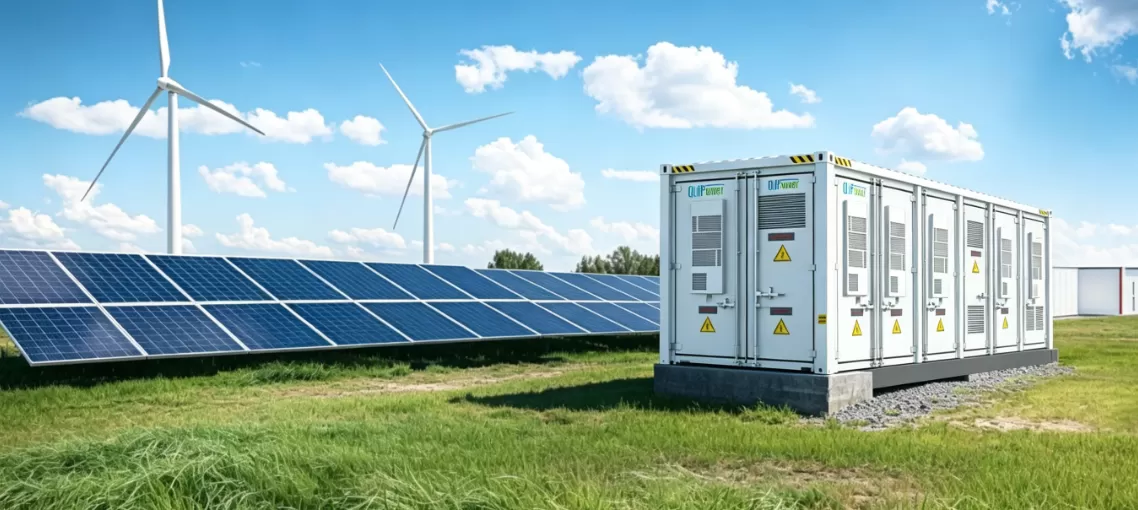
Stable power supply was once a luxury for villages, islands, and field stations far from the main grid. The Hybrid ESS solution seamlessly integrates PV arrays, intelligent energy storage batteries, and backup generators. During the day, PV power meets immediate demand while charging the storage unit. At night or when sunlight is insufficient, the storage battery discharges as the priority. During prolonged rainy weather with low battery capacity, the system automatically activates the backup generator for supplementary power, and recharges the battery first once PV generation resumes.
This multi-energy coordination and intelligent scheduling model enables Hybrid ESS to deliver 24/7 uninterrupted power supply, lighting up households and supporting essential operations of clinics and schools.
In regions with frequent blackouts, power failures in critical facilities such as communication base stations, border outposts, and emergency command centers can lead to severe consequences. Deploying a Hybrid ESS system provides ultra-reliable power protection. Using PV as the primary power source, the energy storage battery within Hybrid ESS acts as the core buffer and support, instantly responding to load demands and achieving precise balance between PV output and load consumption.
Even during the short gap when PV generation is interrupted and the backup generator has not yet started, the storage battery ensures zero-second switching, maintaining continuous operation of critical equipment and safeguarding communication lifelines and security defenses.
Power is the lifeblood of production for farms, mines, homestays, and small processing plants in remote areas. Hybrid ESS provides them with economical and independent energy solutions. It maximizes the use of clean PV energy, significantly reducing the high costs and noise pollution of diesel generators.
The intelligent Energy Management System (EMS) dynamically optimizes the output of PV, storage, and backup generators, ensuring stable operation of production lines, refrigeration equipment, and tourism facilities while optimizing the total life-cycle cost. Hybrid ESS empowers remote industries and commerce with strong competitiveness and sustainable development capabilities.
From lighting up off-grid households, protecting critical facilities, to boosting the remote economy, Hybrid ESS demonstrates irreplaceable value in off-grid PV scenarios. It is not only a fusion of technologies, but also a profound upgrade to the quality of life and production methods in unelectrified and under-electrified areas.
Choosing Hybrid ESS means choosing consistent and reliable energy protection that withstands harsh environments. Together, we can build a more resilient and greener future.