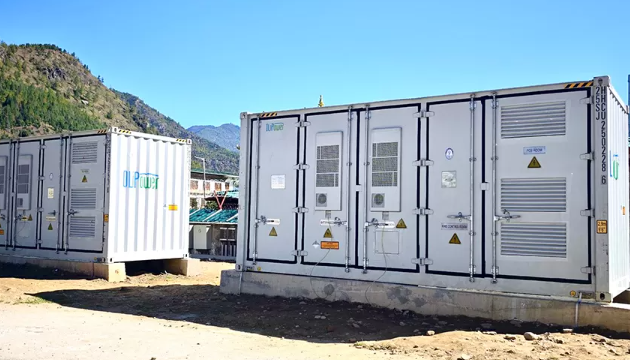
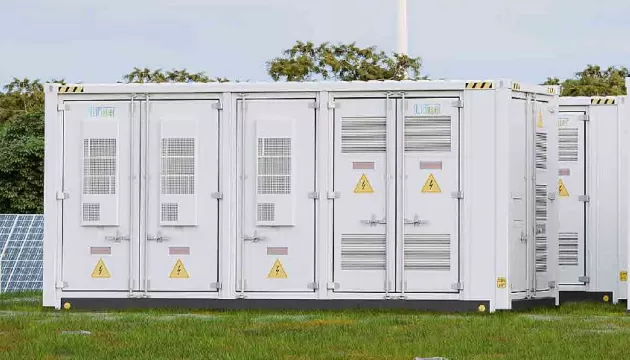
For commercial and industrial facilities, choosing the right energy storage system is not only about selecting a battery cabinet. The key is to understand how much power your site needs, how long the system should support your loads, and what business goal the system must achieve.
A properly sized C&I energy storage system can help factories, commercial buildings, EV charging stations, industrial parks, and public facilities reduce peak demand, improve energy resilience, store solar energy, and support smarter energy management. However, if the system is undersized, it may fail to support critical loads or deliver expected savings. If it is oversized, the project cost and payback period may become unnecessarily high.
This guide explains how to size a C&I ESS by understanding three key concepts: kW, kWh, and runtime.
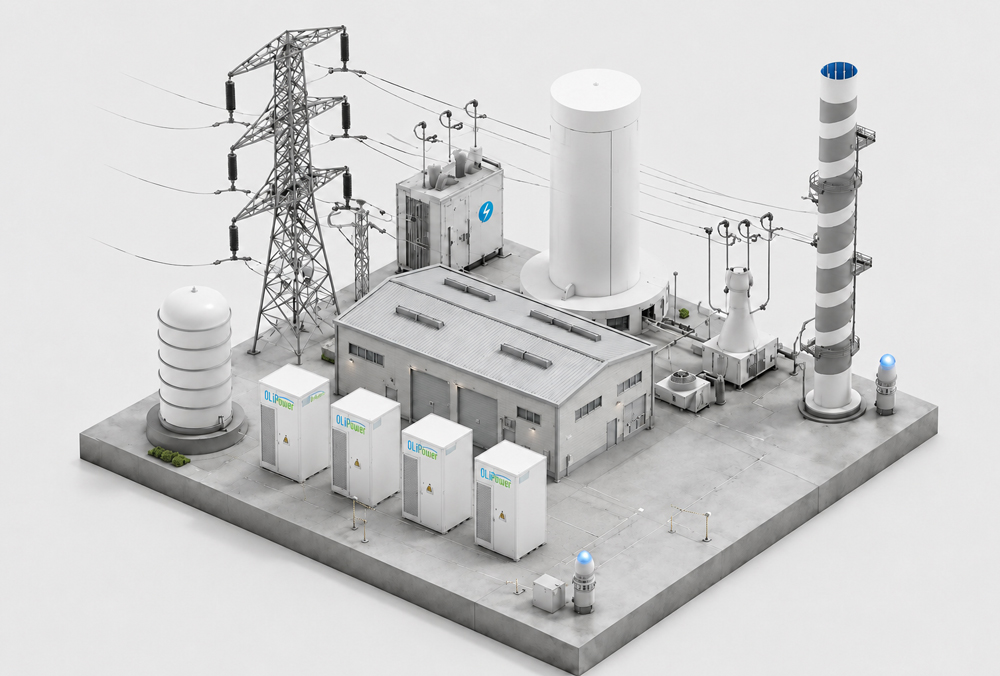
Before selecting a battery energy storage system, buyers need to separate two concepts that are often confused: power and energy.
kW, or kilowatt, refers to the power output of the system. It tells you how much electrical load the system can support at one time. In a battery energy storage system, rated power capacity is the maximum discharge capability of the system, usually measured in kW or MW.
kWh, or kilowatt-hour, refers to energy capacity. It tells you how much energy the battery can store and deliver over time. For example, a 125kW/261kWh ESS cabinet can theoretically support a 125kW load for about 2 hours before accounting for usable depth of discharge, efficiency losses, reserve capacity, and operating conditions.
A simple way to understand it:
kW = how much power you need at one moment
kWh = how long you need that power to last
For C&I projects, both values matter. A factory with short but high power peaks may need more kW. A commercial facility that wants backup power for several hours may need more kWh.
Runtime is the estimated operating time of the battery system under a specific load. In energy storage sizing, runtime is usually calculated with a simple formula:
Runtime = Usable Battery Capacity ÷ Load Power
For example:
If a facility needs to support a 100kW critical load and wants 2 hours of backup time, the basic required usable energy is:
100kW × 2 hours = 200kWh
This does not mean a 200kWh battery is always enough. In real projects, engineers also need to consider battery depth of discharge, system efficiency, temperature, battery aging, safety reserve, and future load expansion.
Industry references often describe storage duration as the amount of time a battery can discharge at its power capacity before its energy is depleted. For example, a 1MW battery with 4MWh of usable energy has a 4-hour storage duration.
Different C&I projects require different sizing logic. A system designed for peak shaving may not be the same as a system designed for backup power or solar self-consumption.
Project Goal | Main Sizing Focus | Typical Requirement | Key Question to Ask |
Peak shaving | kW output | Cover short demand peaks | How high are the peak loads? |
Backup power | kWh capacity and runtime | Support critical loads during outages | How long must the system run? |
Solar self-consumption | kWh capacity | Store excess PV generation | How much solar energy is unused during the day? |
EV charging support | kW and kWh | Reduce grid impact and support fast charging | What is the maximum charging demand? |
Microgrid operation | kW, kWh, control strategy | Support grid-connected and off-grid modes | Which loads are critical and which can be flexible? |
For many commercial and industrial users, the best sizing result comes from combining several goals. For example, a factory may use the same ESS for peak shaving during normal operation and emergency backup during outages.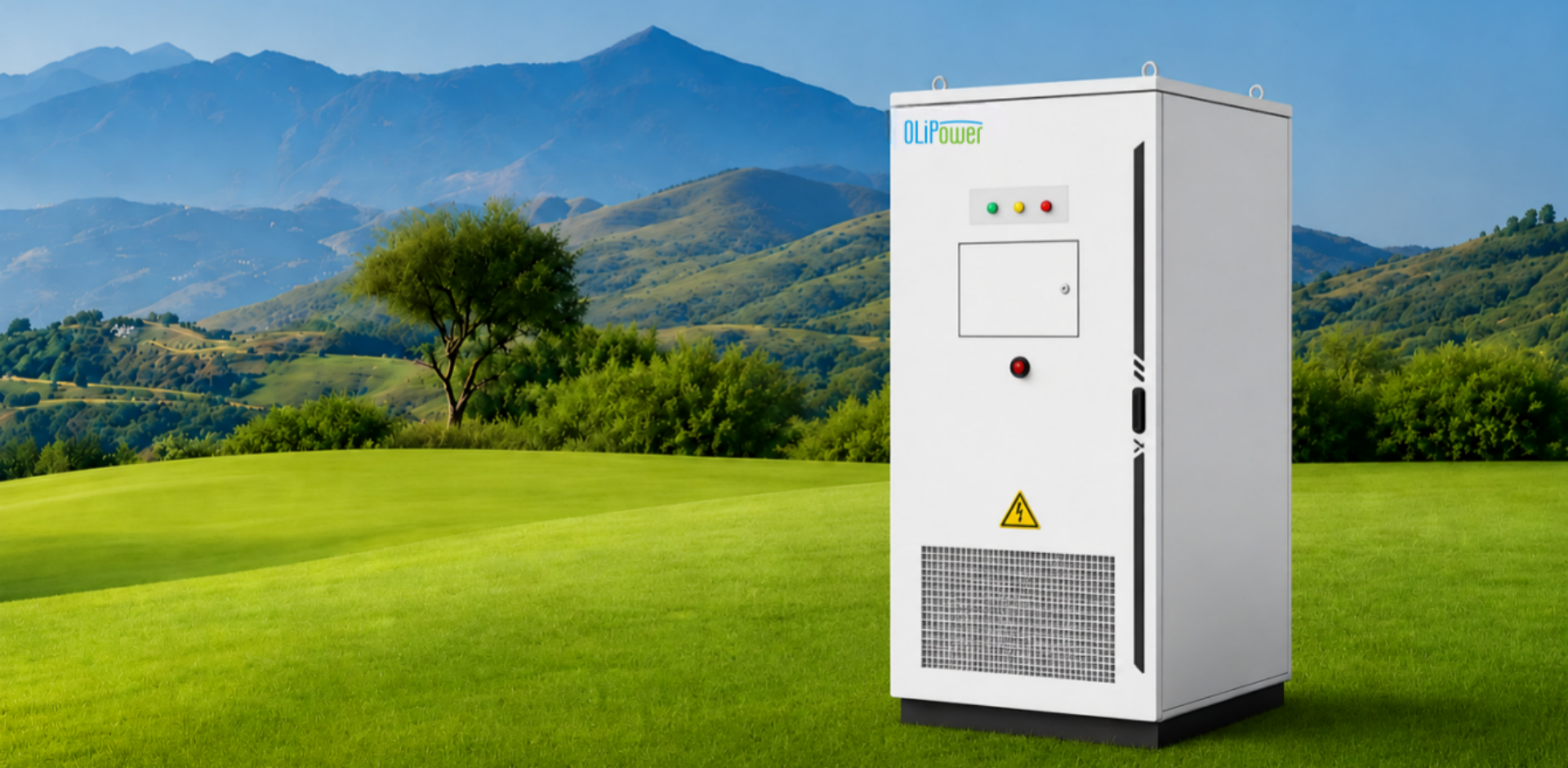
The first step is to define what the battery system is expected to do.
For peak shaving, the system should be sized according to the facility’s peak demand profile. If your site often exceeds contracted demand for 30 minutes to 2 hours, the ESS needs enough power to reduce the peak and enough energy to sustain discharge during that peak period.
For backup power, the sizing should start from critical loads. Instead of backing up the entire facility, many C&I projects separate essential loads such as control systems, lighting, communication equipment, refrigeration, security systems, or selected production lines.
For solar energy storage, the system should be sized based on solar generation curves and load consumption patterns. If your facility produces excess solar power at noon but consumes more power in the evening, battery storage can shift daytime solar energy to later hours.
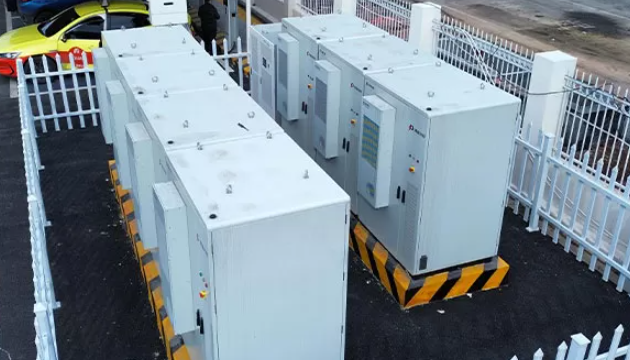
For EV charging stations, the system should consider both maximum charging power and charging frequency. A battery system can help reduce grid capacity pressure, especially where transformer expansion is expensive or time-consuming.
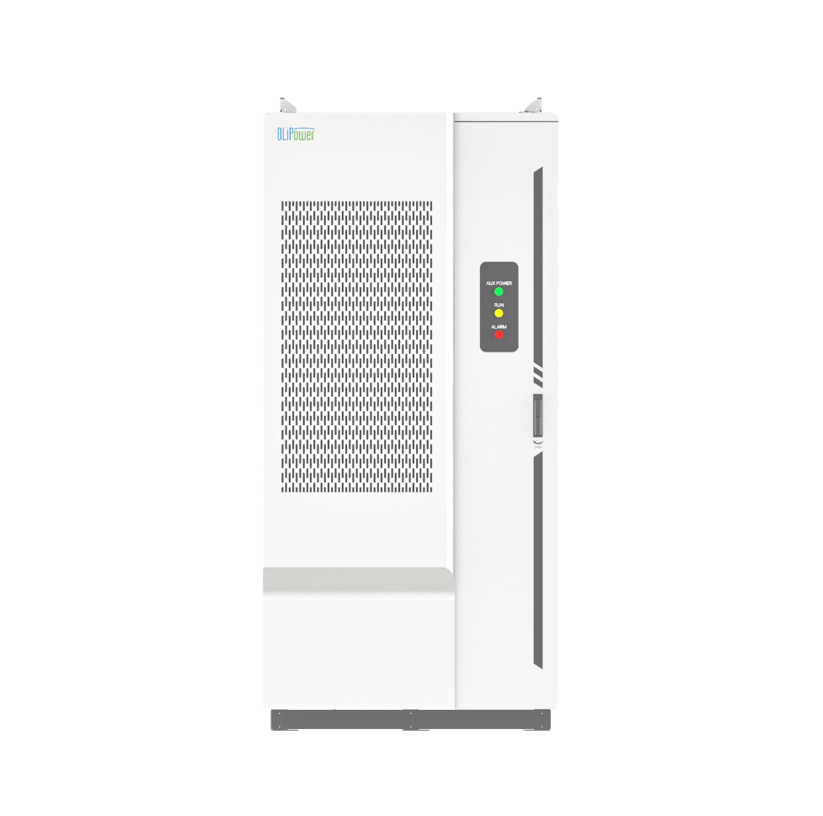
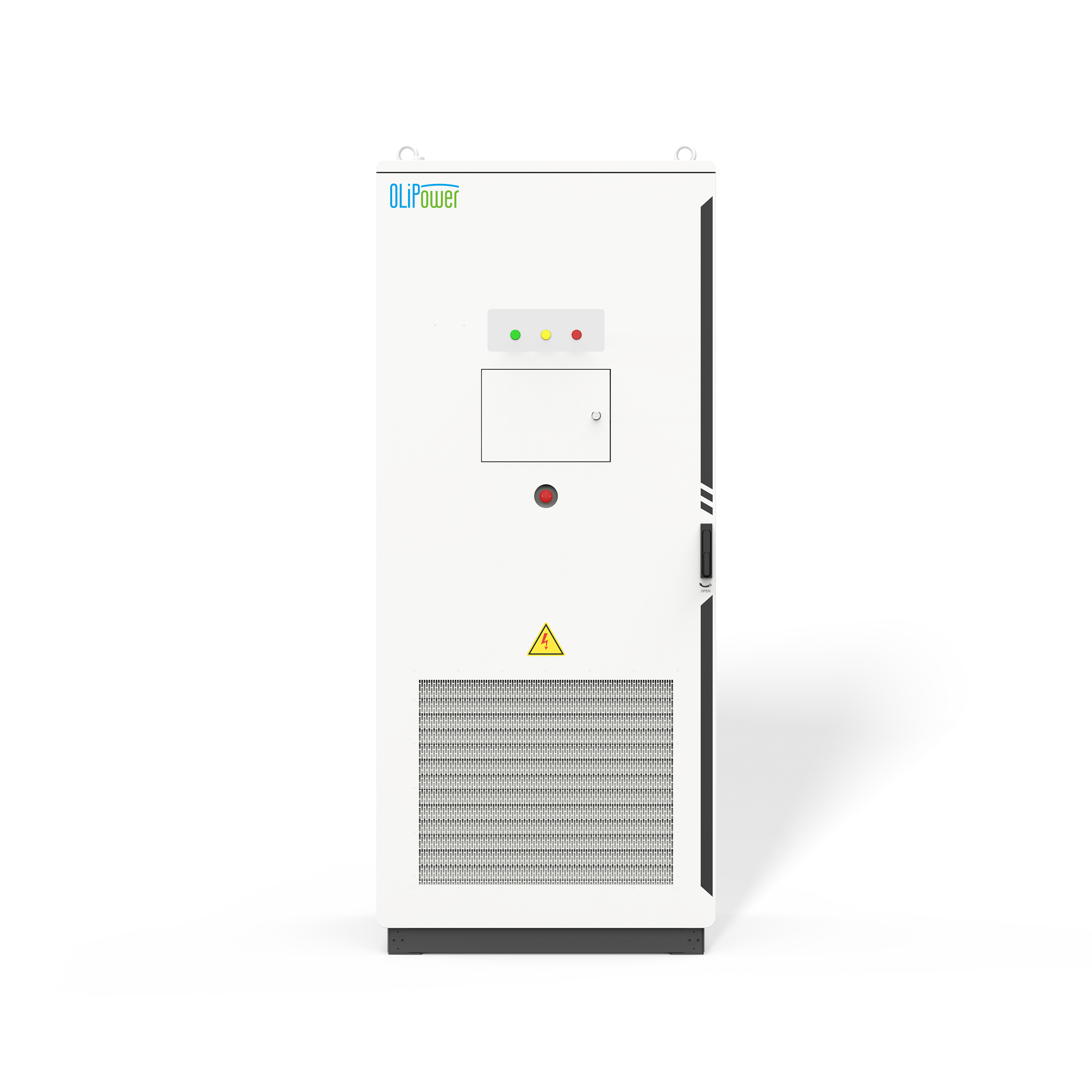
OLiPower’s all in one energy storage system is designed for industrial and commercial energy storage applications, integrating battery system, PCS, BMS, EMS, thermal management, and fire protection into one solution. OLiPower describes this series as suitable for scenarios such as peak shaving, demand management, emergency backup, and renewable energy absorption.
Next, calculate the power demand your system must support.
For backup applications, list all critical loads and their rated power:
Load Type | Example Power |
Lighting and security | 10kW |
Office and IT systems | 15kW |
Control equipment | 20kW |
Refrigeration or HVAC support | 30kW |
Essential production equipment | 75kW |
Total critical load | 150kW |
In this example, the facility needs at least 150kW of discharge power to support the selected critical loads. A practical design may include a margin, depending on startup currents, load fluctuation, and future expansion.
For peak shaving, the calculation is different. You need to compare the site’s actual peak demand with the target demand level.
For example:
Actual peak demand: 800kW
Target demand after peak shaving: 650kW
Required ESS discharge power: 150kW
In this case, the ESS should be able to discharge around 150kW during peak periods.
Once you know the power requirement, multiply it by the required runtime.
For example, if a facility needs 150kW for 2 hours:
150kW × 2h = 300kWh usable energy
If the system is expected to support 150kW for 4 hours:
150kW × 4h = 600kWh usable energy
This is why two systems with the same kW rating can perform very differently. A 125kW/241kWh system and a 125kW/261kWh system may have similar power output, but their usable runtime can differ depending on operating strategy and usable capacity.
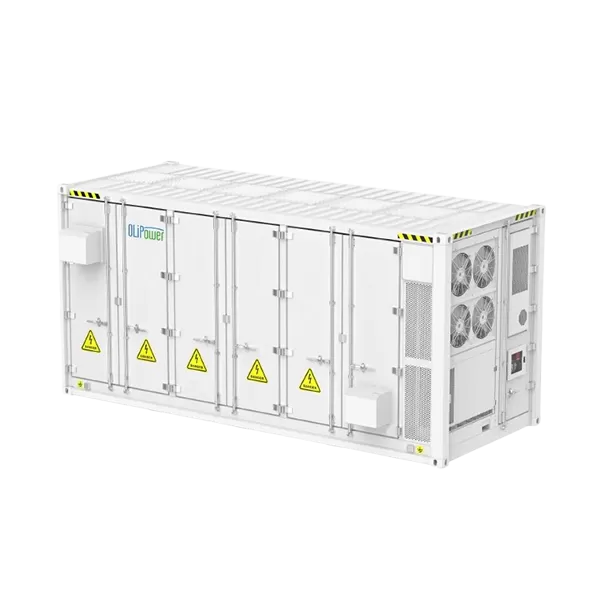
OLiPower provides multiple ESS product options, including all-in-one ESS cabinets, hybrid ESS, DC battery storage cabinets, and utility-scale BESS containers. The company’s product page lists C&I ESS options such as 125kW/241kWh and 125kW/261kWh cabinets, as well as DC battery cabinet options from around 110kWh to 418kWh for C&I, microgrid, and renewable integration applications.
Theoretical capacity is not the same as practical usable capacity. A real c&i energy storage system design should include engineering margins.
Key adjustment factors include:
Depth of Discharge: Batteries are not always discharged to 100% in normal operation. Limiting discharge can help protect battery life.
System Efficiency: Energy is lost during charging, discharging, and power conversion. Round-trip efficiency should be considered when calculating usable output.
Battery Aging: Battery capacity gradually decreases over years of operation. A system sized only for today’s requirement may become insufficient later.
Temperature and Site Conditions: High or low temperatures can affect battery performance, especially in demanding outdoor or industrial environments.
Emergency Reserve: Backup applications often require a reserve so the battery is not fully depleted before grid recovery or generator startup.
A practical sizing process often starts with the basic kWh calculation, then applies a safety margin based on the project’s operation mode and risk tolerance.
After calculating kW, kWh, and runtime, the next step is selecting the correct system architecture.
ESS Type | Best Fit | Advantages | Considerations |
All-in-One ESS Cabinet | C&I peak shaving, backup, EV charging, solar storage | Compact, integrated, fast deployment | Best for standardized C&I projects |
DC Battery Cabinet | Expansion, modular battery storage, renewable integration | Scalable capacity | Requires matching PCS and system design |
Hybrid ESS Cabinet | PV + storage, grid/off-grid switching, microgrid | Flexible energy control | Requires detailed application design |
BESS Container | Large industrial parks, grid-scale projects, utility applications | Large capacity and centralized control | Requires larger site space and project engineering |
For buyers looking for a compact C&I solution, an all-in-one design is often easier to deploy because major components are already integrated into one cabinet. OLiPower’s product information states that its C&I all-in-one series integrates the battery system, PCS, BMS, EMS, thermal management, and fire protection system to support plug-and-play deployment.
To compare more system options, buyers can review OLiPower’s Battery Energy Storage System products and download technical documents from the download center.
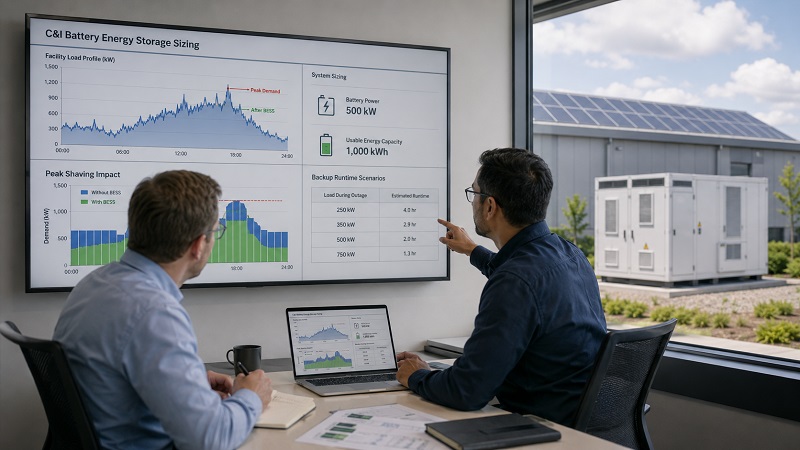
Let’s say a commercial building has the following requirements:
Peak demand reduction target: 120kW
Critical backup load: 100kW
Required backup runtime: 2 hours
Solar PV system: available during daytime
Main goal: reduce peak demand and provide backup power for critical loads
For peak shaving, the system needs at least 120kW output.
For backup, the basic energy requirement is:
100kW × 2h = 200kWh
A system in the range of 125kW and 241–261kWh may be a reasonable starting point for evaluation, depending on usable capacity, local grid rules, battery operating strategy, and safety margin. This is not a final engineering design, but it gives buyers a practical way to understand the relationship between kW, kWh, and runtime.
For final selection, the energy storage system manufacturer should review load curves, electricity tariffs, site conditions, installation space, grid connection requirements, and project goals.
A good quotation depends on good project information. Before contacting an energy storage system manufacturer, prepare the following details:
Information Needed | Why It Matters |
Monthly electricity bills | Helps evaluate demand charges and tariff structure |
15-minute or hourly load data | Shows peak demand and load patterns |
Critical load list | Determines backup power requirement |
Required backup runtime | Determines kWh capacity |
Solar PV capacity, if available | Helps size storage for solar self-consumption |
Grid connection capacity | Determines PCS and system connection limits |
Installation location | Affects thermal management, enclosure and layout |
Application goal | Peak shaving, backup, PV storage, EV charging or microgrid |
Expansion plan | Helps avoid undersizing for future growth |
OLiPower focuses on battery energy storage systems and integrated energy solutions. Its product portfolio covers all-in-one ESS cabinets, hybrid ESS, DC battery cabinets, microgrid ESS, and grid-scale BESS containers.
For C&I users, OLiPower’s all-in-one cabinet design helps simplify project deployment by integrating key components into a compact system. The company also highlights capabilities in BMS, PCS, EMS, and IoT cloud platform development, supporting safer operation, remote monitoring, energy scheduling, and system optimization.
Whether your project is for a factory, commercial building, EV charging station, industrial park, or distributed solar storage site, OLiPower can support system selection based on your actual load profile and runtime requirements.
kW measures power output, meaning how much load the system can support at one time. kWh measures stored energy, meaning how long the system can support that load. For example, a 100kW load running for 2 hours requires about 200kWh of usable energy before design margins.
Many commercially deployed battery energy storage systems are designed for about 2 to 4 hours of duration, especially for short-duration applications such as demand peak shaving and grid services. Longer-duration applications may require larger battery capacity or different system designs.
Start by identifying your facility’s maximum demand and target demand. The difference between them is the required discharge power in kW. Then check how long the peak usually lasts to calculate the required kWh capacity.
List your critical loads, calculate their total kW, and decide how many hours they need to run during an outage. Multiply the critical load by runtime, then add margins for usable capacity, efficiency, battery aging, and emergency reserve.
Yes. An all-in-one ESS cabinet is often suitable for standardized C&I applications because it integrates major components such as batteries, PCS, BMS, EMS, thermal management, and fire protection into one system. This can simplify installation and reduce project complexity.
You should provide your load profile, monthly electricity bill, critical load list, target backup runtime, solar PV capacity if available, grid connection conditions, installation environment, and main application goal. These details help OLiPower recommend a more accurate system configuration.
Sizing a C&I energy storage system starts with understanding three basic values: kW, kWh, and runtime. kW determines how much load the system can support at one time. kWh determines how long the system can operate. Runtime connects the two and helps buyers evaluate whether a system is suitable for peak shaving, backup power, solar self-consumption, EV charging, or microgrid applications.
For commercial and industrial buyers, the best ESS size is not always the largest system. It is the system that matches the site’s load profile, electricity tariff, backup requirement, installation conditions, and future expansion plan.
As a professional energy storage system manufacturer, OLiPower provides integrated ESS solutions for C&I, microgrid, DC battery cabinet, and grid-scale applications. To size the right system for your project, send your load data, target runtime, application scenario, and installation requirements to OLiPower for tailored ESS selection support.