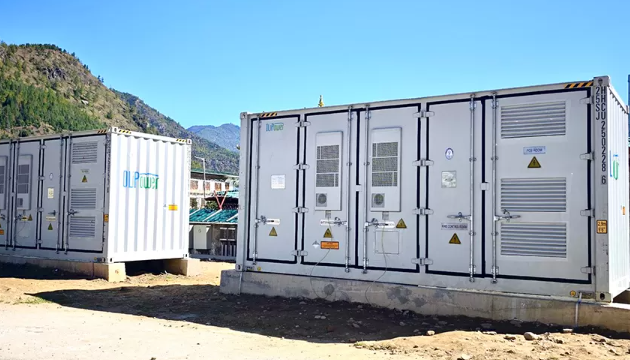
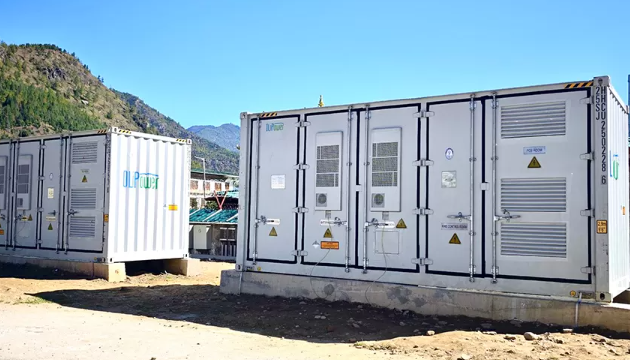
As battery energy storage systems become increasingly important for renewable energy integration, industrial energy management, and grid flexibility, selecting the right Power Conversion System (PCS) has become a critical decision for project developers, EPC companies, and energy storage solution providers.
A PCS is more than a device that converts electricity between DC and AC. In a modern battery energy storage system, PCS directly affects energy conversion efficiency, system scalability, grid interaction capability, and long-term project performance.
However, different applications require different PCS configurations. A PCS designed for a factory peak shaving project may not be suitable for a remote microgrid or a utility-scale BESS installation.
This guide explains the key factors to consider when selecting an ESS PCS and how PCS requirements change across commercial, microgrid, and utility-scale energy storage applications.
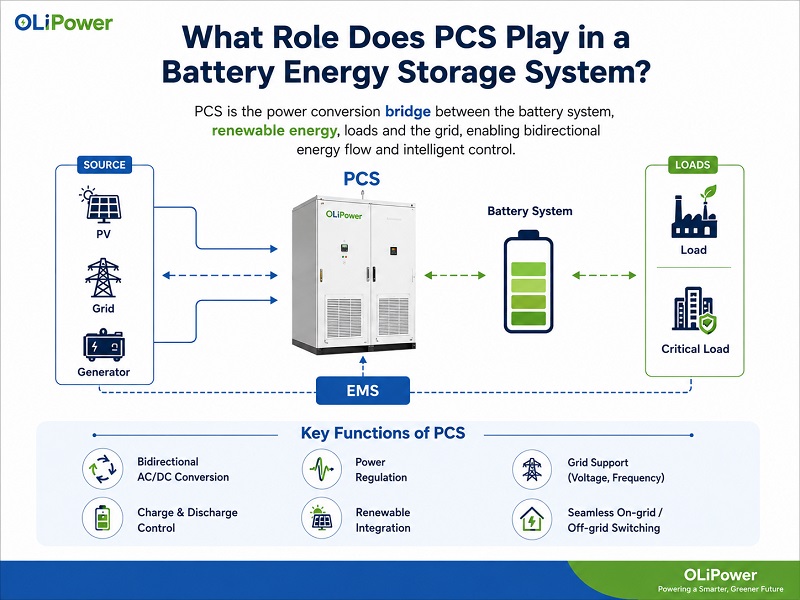
A Power Conversion System (PCS) is the electrical interface between battery storage systems, renewable energy sources, electrical loads, and the power grid.
In an energy storage system, PCS enables bidirectional power flow:
During charging, PCS converts AC electricity from the grid or renewable energy sources into DC electricity stored in batteries.
During discharging, PCS converts DC electricity from batteries into AC electricity for loads or grid supply.
A complete ESS architecture usually includes:
Battery system
PCS
Battery Management System (BMS)
Energy Management System (EMS)
Thermal management system
Fire protection system
Unlike traditional solar inverters, ESS PCS solutions are designed specifically for energy storage scenarios, requiring advanced control functions for charging, discharging, power regulation, and grid interaction.
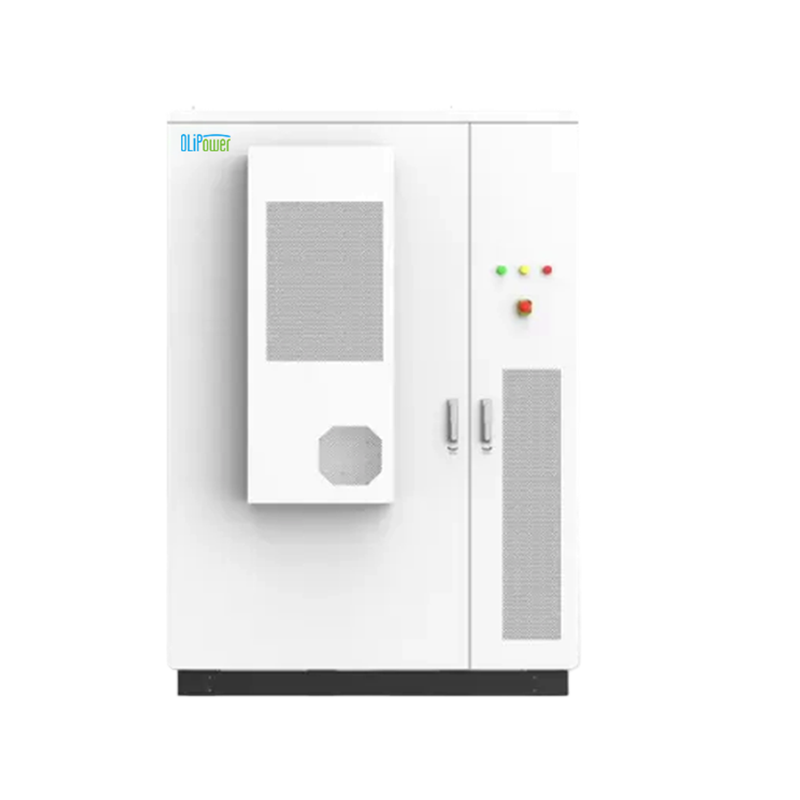
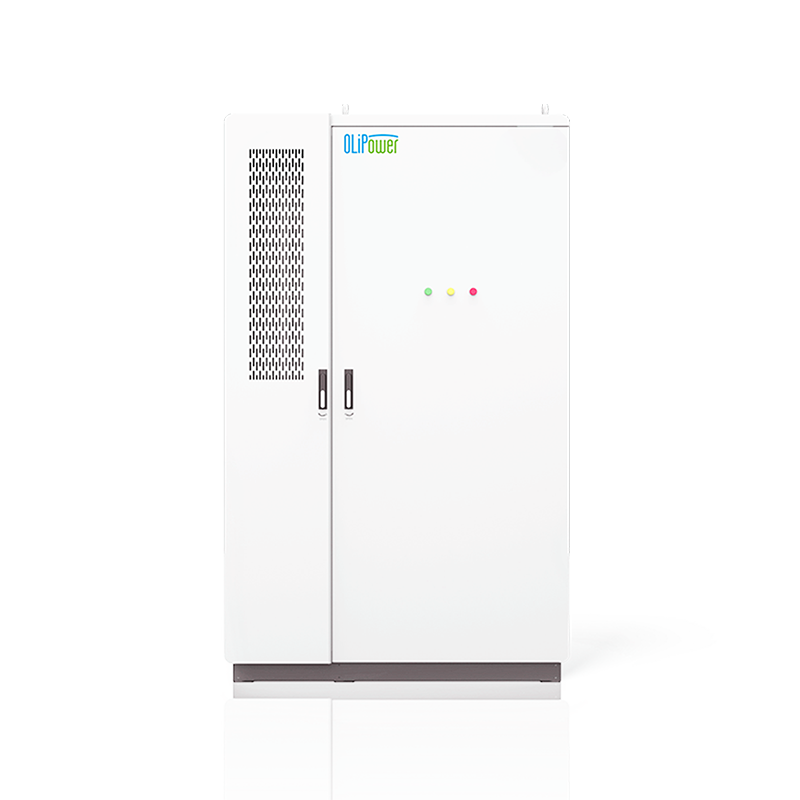
For example, OLiPower's utility-scale energy storage solution integrates LFP batteries, PCS, EMS, thermal management, and fire protection into a standardized container system to provide a complete BESS architecture.
Choosing the right PCS requires more than matching the battery capacity. Project developers need to evaluate multiple technical factors based on application requirements.
Battery capacity (kWh) and PCS power rating (kW) represent different aspects of an energy storage system.
Battery capacity determines how much energy can be stored, while PCS power determines how quickly that energy can be charged or discharged.
For example:
Peak shaving projects may require frequent daily charging and discharging.
Backup power projects may prioritize stable output.
Frequency regulation projects may require faster response capability.
A properly sized PCS helps optimize system performance without unnecessary equipment costs.
Application Requirement | PCS Selection Priority |
Peak shaving | High efficiency and frequent cycling capability |
Backup power | Stable output and reliability |
Frequency regulation | Fast response and power control |
Renewable energy smoothing | Flexible charging and discharging management |
Battery voltage is one of the most important factors when selecting a PCS.
As ESS projects increase in capacity, higher voltage battery architectures are often adopted to reduce current levels, improve system efficiency, and simplify large-scale deployment.
OLiPower's products demonstrate different voltage architectures for different applications:
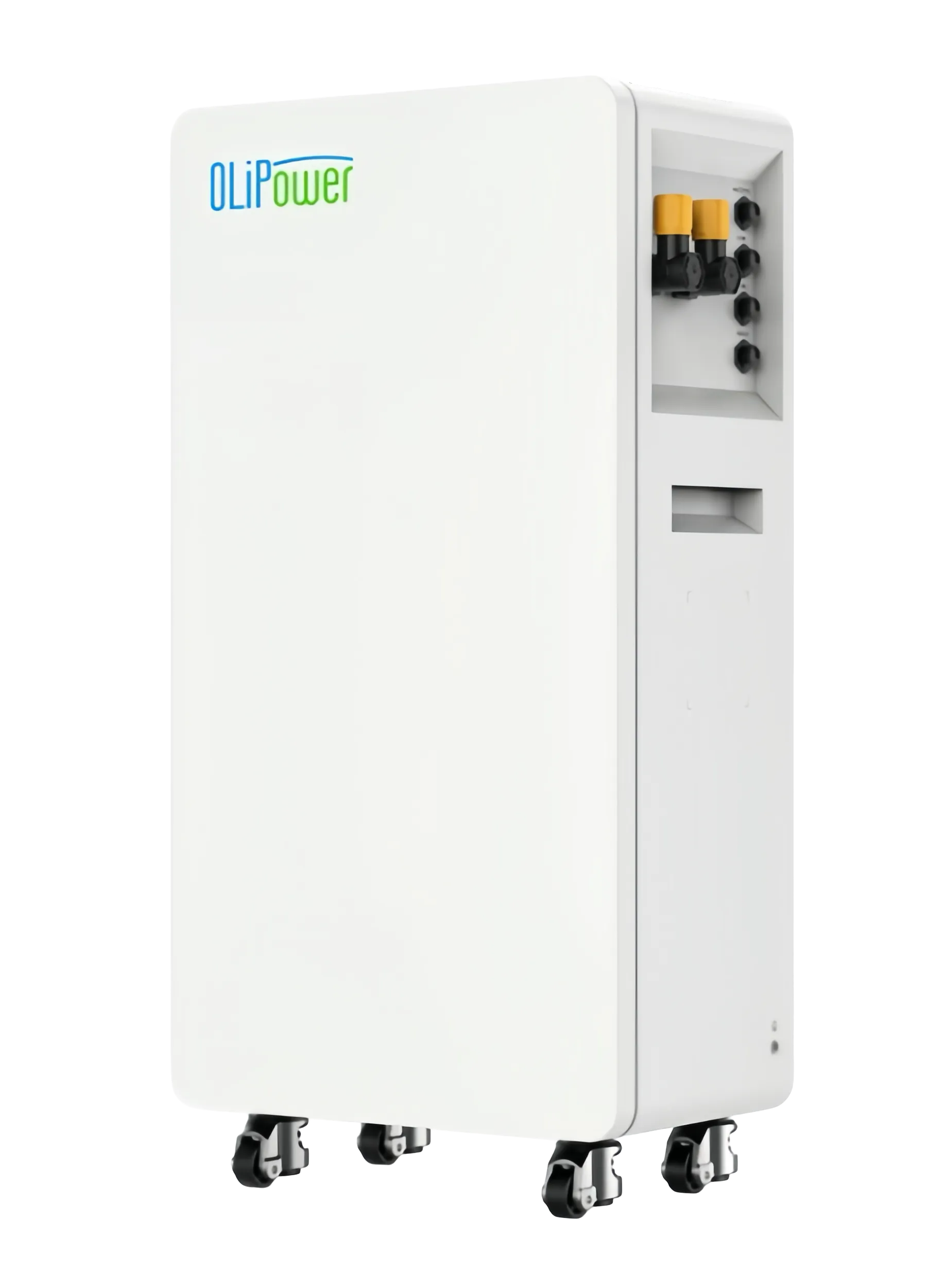
The 50kW/111kWh Hybrid ESS Cabinet uses a 540.96V battery system with a voltage range of 470.4-613.2V.
The 125kW/261kWh Liquid-Cooled ESS Cabinet uses an 832V rated battery system with a voltage range of 728-949V.
The 418kWh DC Battery Cabinet uses a 1331.2V rated voltage architecture designed for larger energy storage applications.
When selecting PCS, the DC voltage range must be compatible with the battery system to ensure stable operation and optimal efficiency.
PCS efficiency directly affects the overall economics of an energy storage project.
Important parameters include:
Conversion efficiency
Operating efficiency under different loads
Thermal management capability
Standby power consumption
For large-scale applications, even a small efficiency difference can significantly impact long-term energy losses.
For example, OLiPower's 5MWh BESS Container achieves PACK-level efficiency of 95% and system-level DC-side efficiency of ≥92%.
Commercial and industrial energy storage projects often expand as electricity demand grows.
A suitable PCS solution should support:
Multiple battery cabinet connections
Parallel operation
Flexible system expansion
Future capacity upgrades
OLiPower's 125kW/241kWh Energy Storage Integrated Cabinet supports flexible capacity expansion up to 1.25MW/2.41MWh with up to 10 systems operating in parallel.
This type of scalable design allows customers to increase storage capacity without replacing the complete system.
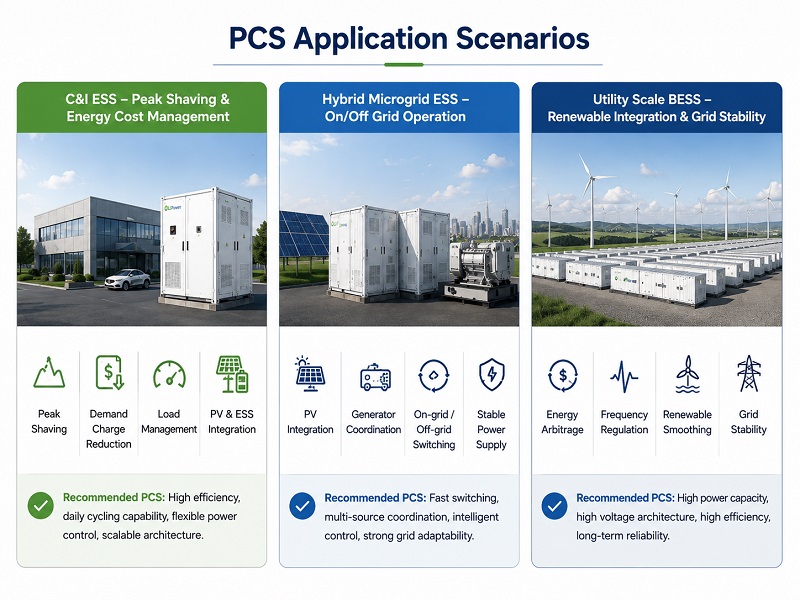
The best PCS solution depends heavily on the application scenario.
Commercial and industrial energy storage systems are commonly used for:
Factory peak shaving
Demand charge reduction
EV charging load management
Renewable energy optimization
In these applications, PCS needs to provide:
Reliable daily cycling
Accurate power control
High operating efficiency
Flexible expansion capability
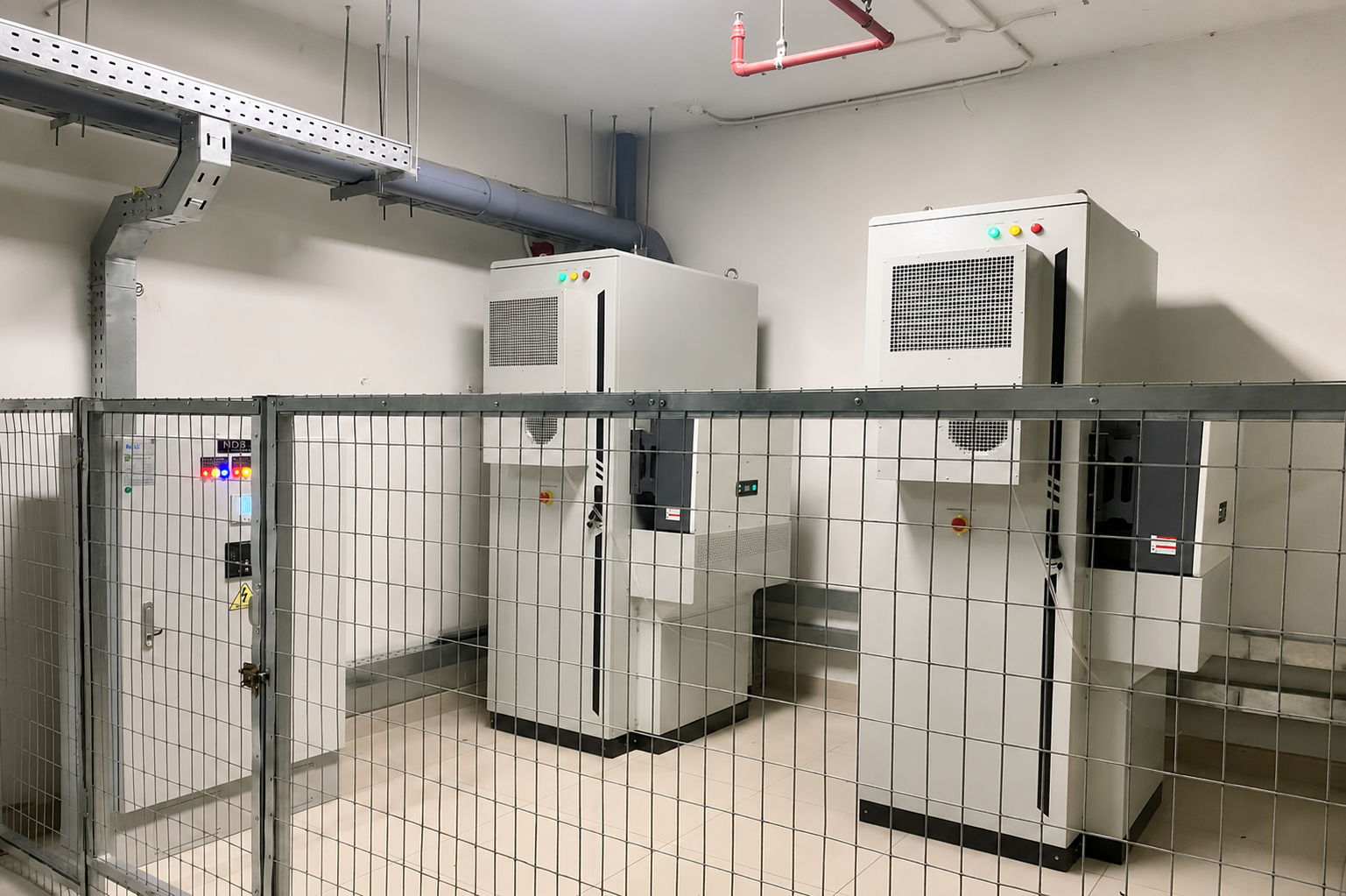
OLiPower's All-in-One ESS integrates battery systems, PCS, BMS, EMS, thermal management, and safety systems into a compact energy storage solution.
The OLP-EIB 125kW/241kWh Energy Storage Integrated Cabinet is designed for C&I applications including EV charging stations and public buildings, supporting peak shaving, frequency regulation, transformer expansion, and renewable energy fluctuation management.
Microgrid applications require more advanced PCS functions because the system may need to operate both with and without the utility grid.
Key PCS capabilities include:
Grid-connected operation
Off-grid operation
Renewable energy integration
Generator coordination
Intelligent energy management
OLiPower's Hybrid ESS Microgrid Container integrates:
LFP battery system
PV inverter modules
EMS
Diesel generator interface
Thermal management
Fire protection system
into a complete microgrid solution.
These integrated systems are suitable for:
Remote industrial facilities
Island microgrids
Mining sites
Areas with unstable electricity supply
Utility-scale battery energy storage projects require PCS solutions designed for:
Large power conversion capacity
High voltage battery systems
Grid stability
Long-term operation
OLiPower's 5MWh BESS Container adopts a modular architecture with:
1P104S battery PACK → 4S cluster → 12P parallel connection,
forming a 1331.2V/5.015MWh energy storage system.
The system is designed for applications including:
Power stations
Industrial parks
Solar farms
Wind energy projects
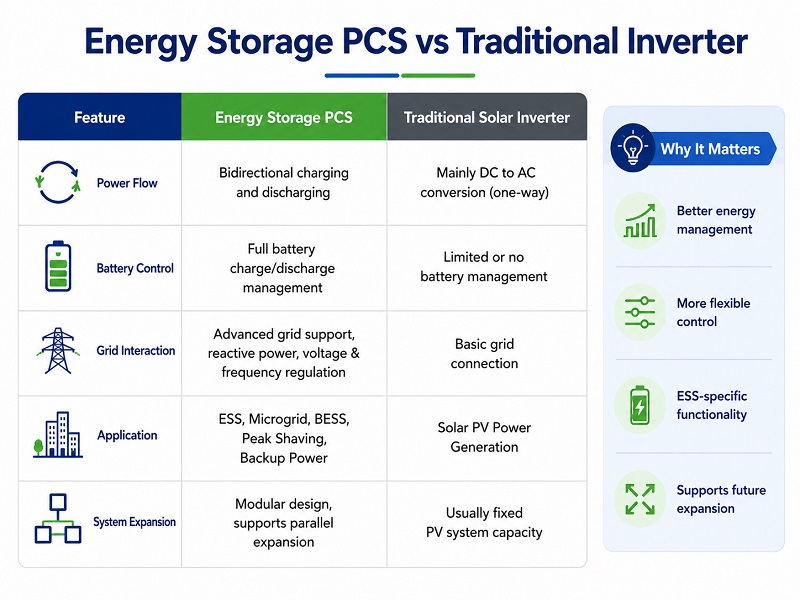
For energy storage projects, selecting a dedicated PCS designed for battery applications provides better control flexibility and system optimization.
When evaluating PCS suppliers, project developers should consider the actual operating environment rather than only technical specifications.
A suitable PCS should match:
Small C&I systems, microgrids, and utility-scale BESS require different power ratings and architectures.
Projects focused on peak shaving, backup power, or renewable integration have different charging and discharging patterns.
A scalable PCS architecture can reduce future upgrade costs and improve project flexibility.
PCS manages bidirectional energy conversion between batteries, renewable energy sources, electrical loads, and the power grid.
No. Although PCS includes inverter functions, it is specifically designed for energy storage applications and supports bidirectional charging and discharging control.
PCS size should be selected according to required power output, load profile, battery capacity, charging strategy, and application requirements.
Battery voltage must match the PCS operating range. Proper voltage compatibility improves system efficiency, reliability, and safety.
Yes. PCS designed for microgrid applications can support grid-connected and off-grid operating modes when combined with appropriate EMS and control systems.
Important features include high efficiency, flexible power control, parallel expansion capability, and compatibility with battery and energy management systems.
Selecting the right PCS is essential for building an efficient, reliable, and scalable battery energy storage system.
The ideal PCS solution depends on multiple factors, including project scale, battery voltage architecture, application requirements, expansion plans, and grid interaction needs.
From commercial peak shaving and renewable energy integration to microgrids and utility-scale BESS projects, OLiPower provides integrated energy storage solutions combining battery systems, PCS, EMS, and intelligent control technologies.
By choosing the right energy storage PCS architecture, businesses and energy developers can improve system efficiency, optimize energy management, and build more reliable power infrastructure for the future.