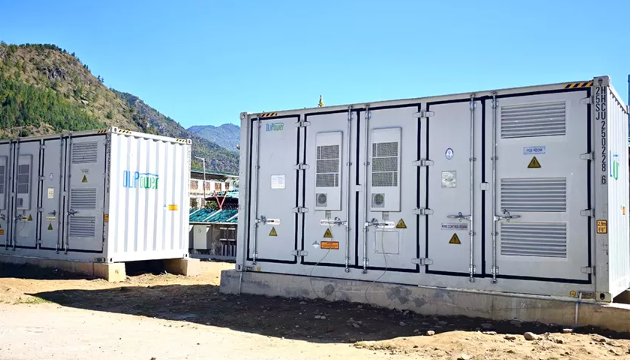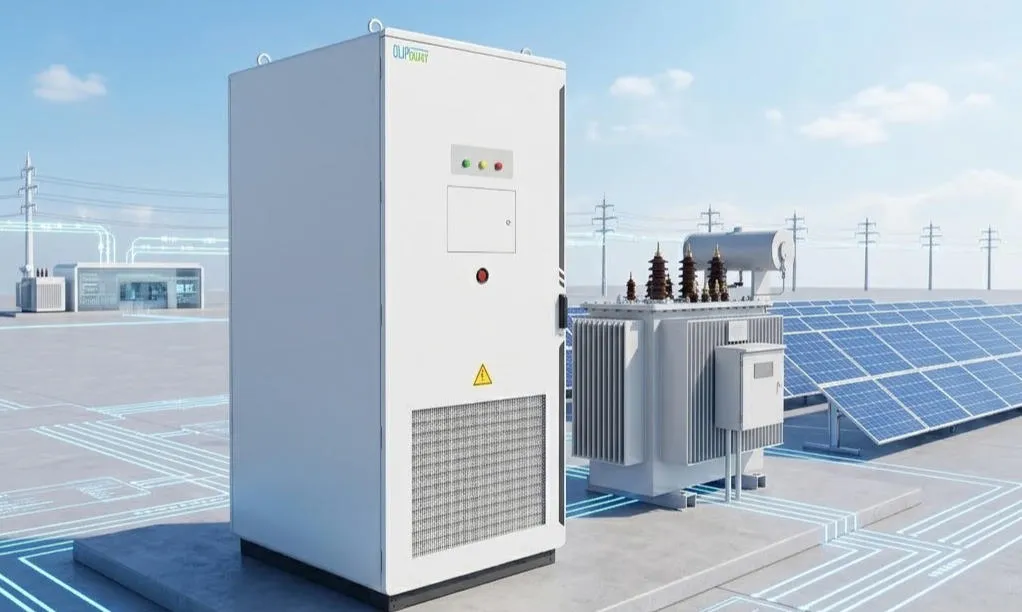
Recently, "Distribution Transformer Energy Storage" (Distribution-Level BESS) has become a high-frequency keyword in the energy storage sector. According to the latest statistics from the China Energy Storage Alliance (CNESA), in the first half of 2026 alone, newly registered distribution-level energy storage projects skyrocketed to 814, with the total scale rapidly reaching 25GW / 52GWh!
Behind this explosive growth, what critical distribution grid issues does distribution transformer energy storage actually solve?

In power distribution systems, people often confuse Utility-Scale Energy Storage, Commercial & Industrial (C&I) Energy Storage, and Distribution Transformer Energy Storage.
If we compare the national power grid to a vast municipal water supply system:
Utility-Scale Energy Storage (Front-of-the-Meter): Similar to a massive reservoir on the city outskirts, responsible for macro-level water supply balancing.
C&I Energy Storage: Like a company's private water storage tank, primarily designed to satisfy self-consumption and reduce energy costs.
Distribution Transformer Energy Storage: Directly installed right next to the local distribution transformer ("the doorstep").
A "Distribution Zone" (Taiqu) simply refers to the power supply coverage under a single distribution transformer—such as a rural village, a residential community, or a commercial block.
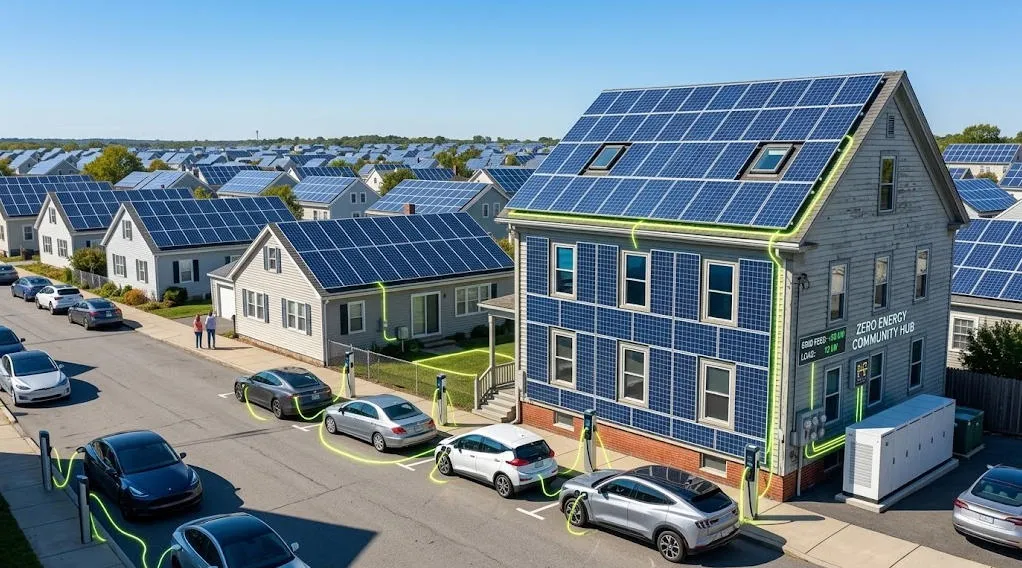
With the rapid acceleration of the global energy transition, traditional distribution transformers are facing unprecedented operational pressures:
High Penetration of Distributed PV (Solar): During daytime solar generation peaks, local electricity loads are often low. Surplus solar power flows backward into the grid, causing line voltage spikes and frequent over-voltage trips.
Explosive Growth in Power Demand: During evening hours, residential electricity peaks overlap with EV (Electric Vehicle) charging demand, causing distribution transformers to suffer from severe overloads.
Restricted Solar Grid-Connection Capacity: Grid connection capacity for distributed PV is sounding alarms in many regions. Deploying distribution-level energy storage provides dynamic capacity expansion, quickly releasing grid-connection quota for new solar installations.
Grid Policy & Infrastructure Upgrades: Policy frameworks increasingly clarify energy storage as "grid-replacement assets." As distribution networks evolve toward flexible grids, distribution storage has evolved from an auxiliary device into an essential infrastructure necessity.
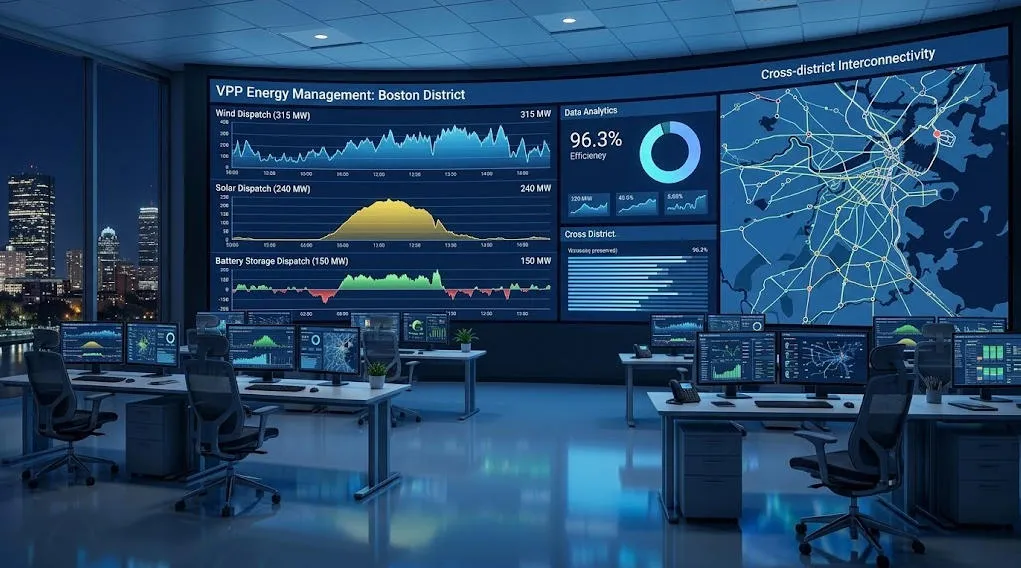
The rapid adoption of distribution-level energy storage is driven by four core functional advantages:
① Dynamic Voltage Support & Improved Power Quality
With millisecond-level response speeds, the system injects active and reactive power into the line in real-time, fundamentally fixing low-voltage issues and three-phase unbalance at the grid edge to ensure a stable supply.
② Flexible Capacity Expansion & Deferred Grid Upgrades
By providing "virtual capacity expansion," the system relieves transformer overloads during peak demand (like EV charging spikes), deferring costly investments in transformer replacements and cable re-laying.
③ Emergency Power Backup & Critical Load Resilience
Featuring seamless grid-tied to off-grid switching and black-start capabilities, it instantly acts as a reliable backup power supply during extreme weather or grid outages, ensuring uninterrupted operations for key loads.
④ Virtual Power Plant (VPP) Aggregation & Revenue Stacking
Integrated with cloud-based digital platforms, it enables multi-zone flexible interconnection and smart dispatching. Storage assets can actively participate in spot market trading, ancillary services, and demand response—maximizing asset ROI.

To address the fast-growing distribution storage market, OLiPower Energy relies on its full-stack R&D and manufacturing capabilities to offer modular distribution-level BESS solutions:
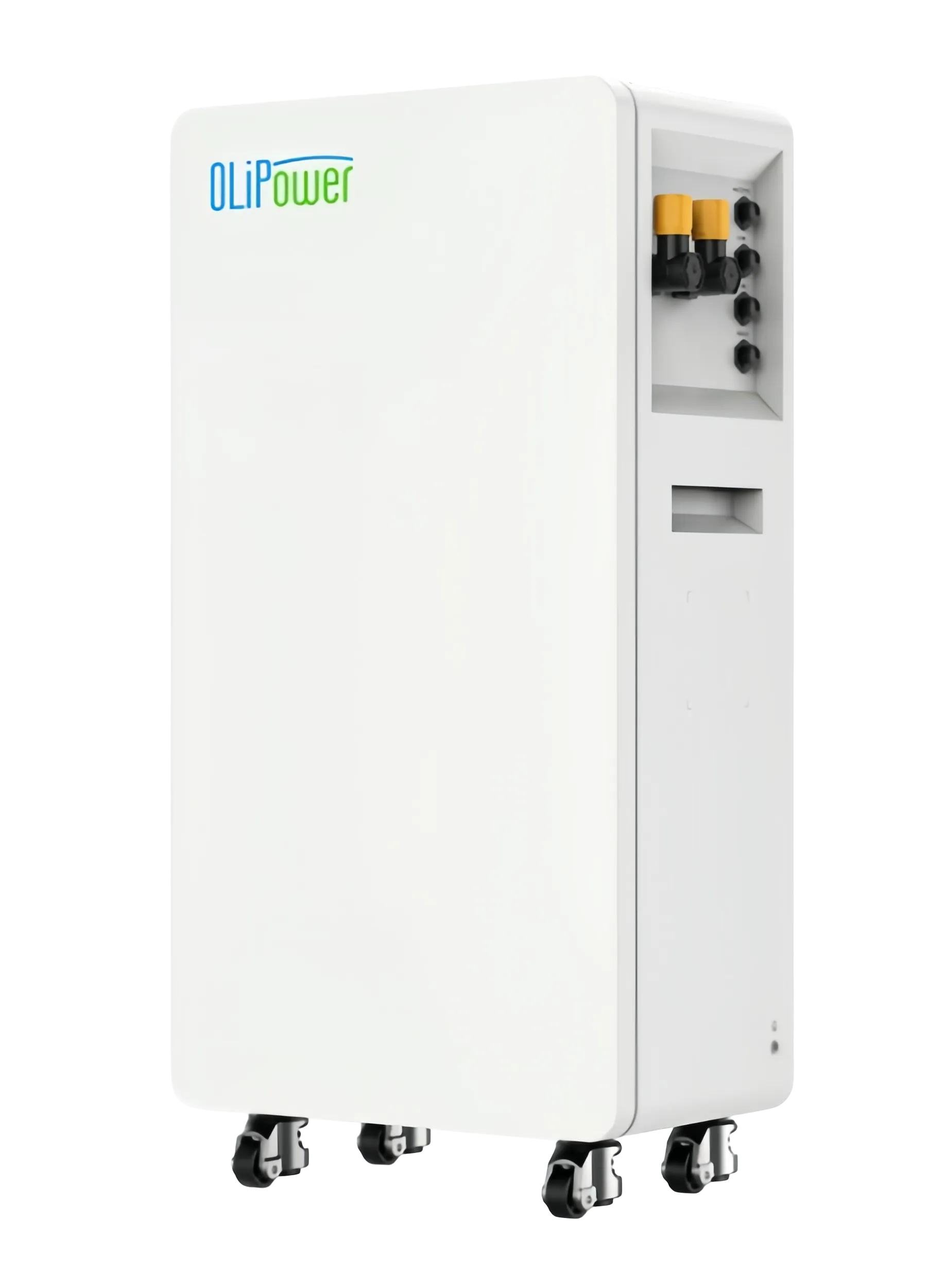
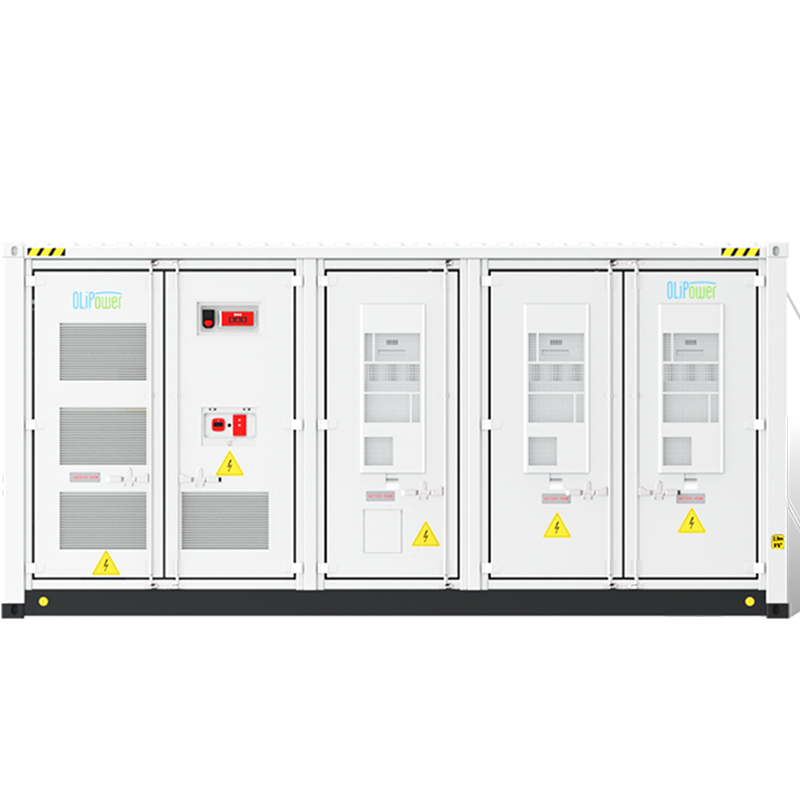
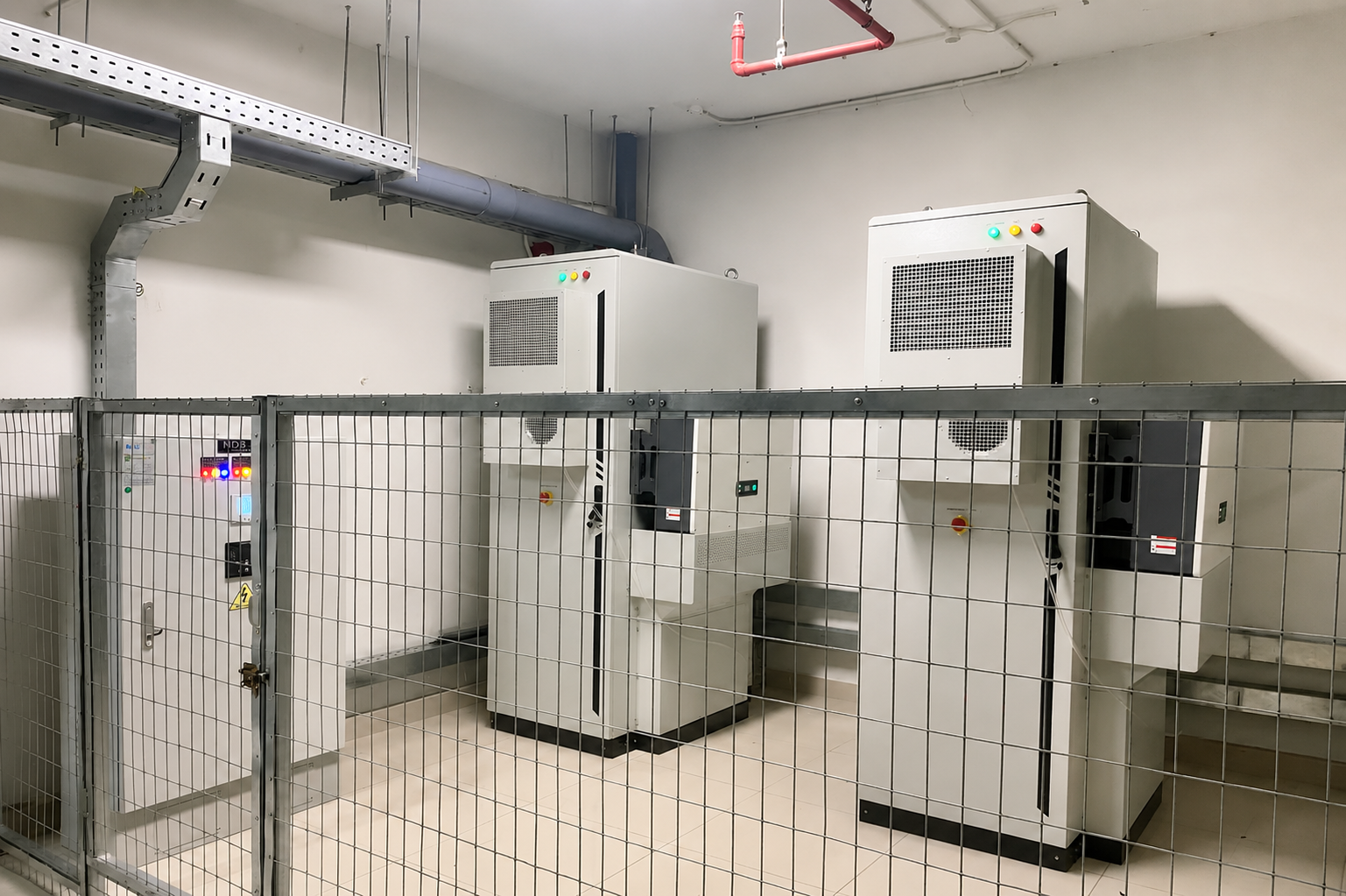
Hardcore Product Lineup: Includes air-cooled and liquid-cooled all-in-one systems—such as the 125kW / 241kWh Air-Cooled Outdoor Cabinet, 125kW / 261kWh Liquid-Cooled Cabinet (with a long cycle life of over 8,000 cycles), and Microgrid Containerized Systems, tailored for low-voltage grid edges and high PV penetration scenarios.
Superior ROI: Utilizing revenue stacking through peak-valley arbitrage, capacity compensation, and VPP aggregation, typical projects achieve an Internal Rate of Return (IRR) of 14% to 17%, significantly shortening payback periods.
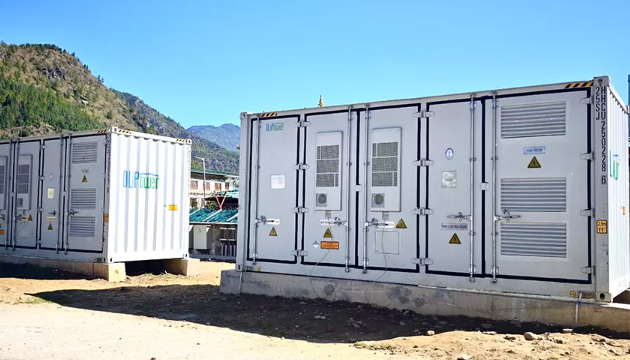
End-to-End Turnkey Service: OLiPower provides complete EPC turnkey services, spanning on-site survey, solution design, equipment manufacturing, installation, commissioning, and O&M. OLiPower has successfully deployed flagship projects across multiple power utilities, maintaining an online operational reliability rate of over 99.5%.
As renewable energy penetration rises globally, distribution transformer energy storage has become a vital technology to mitigate transformer overloads, enhance solar absorption, and drive distribution grid modernization. OLiPower remains committed to empowering flexible power grid upgrades and building future-ready smart distribution networks worldwide!
Contact Us / Get in Touch
Ready to Optimize Your Power Distribution & Energy Storage Strategy?
Website: www.olipowerenergy.com
✉️ Email: Sales@olipower.cn
📞 Tel / WhatsApp: +86 18938937213
Contact our expert team today for a tailored technical proposal and free project consultation!