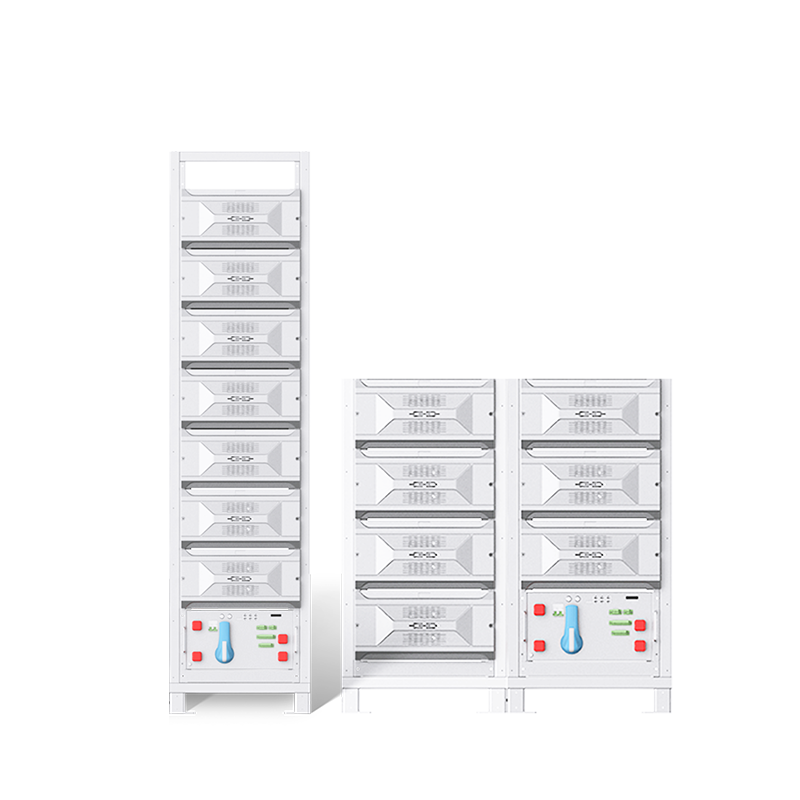
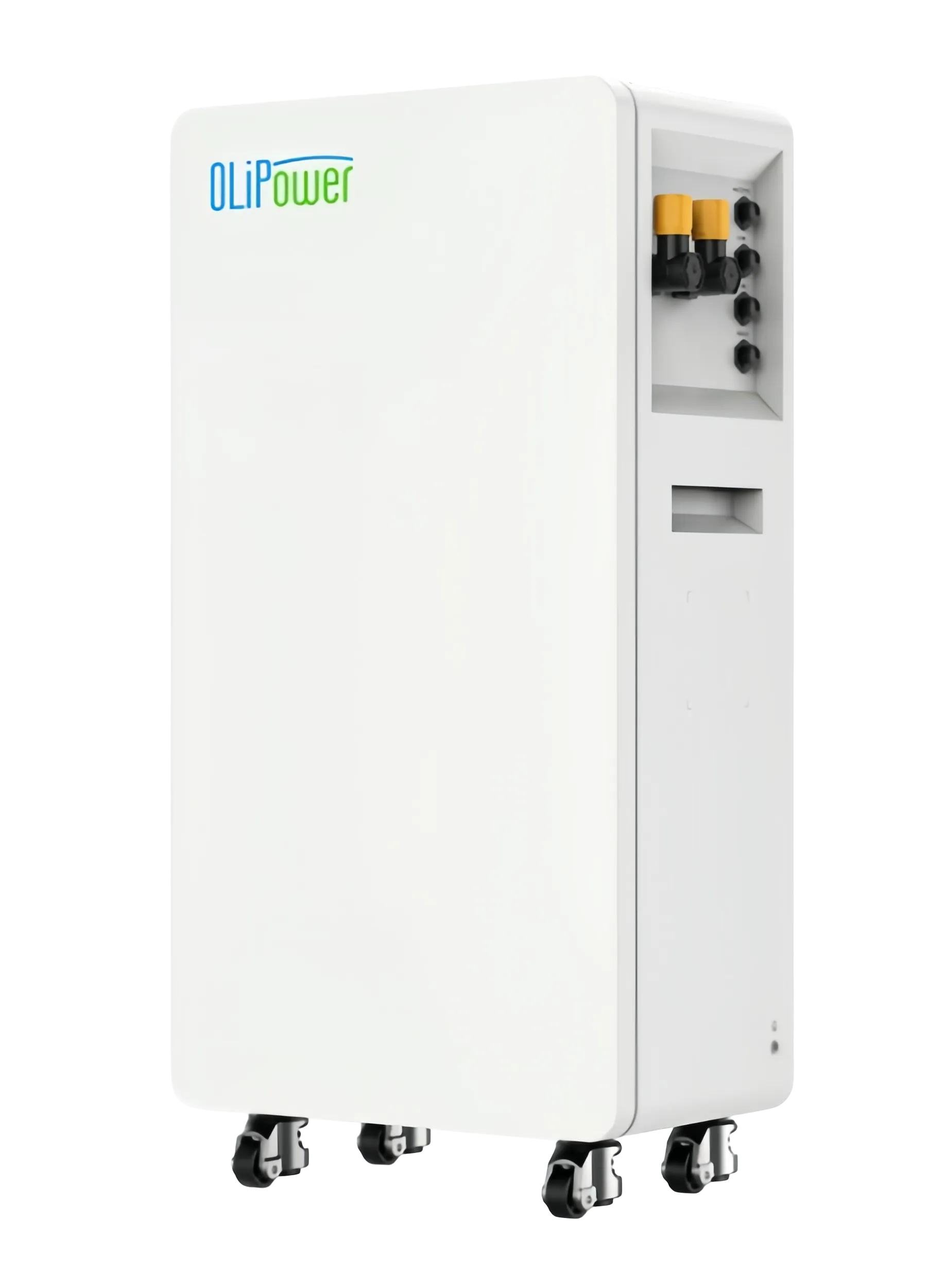
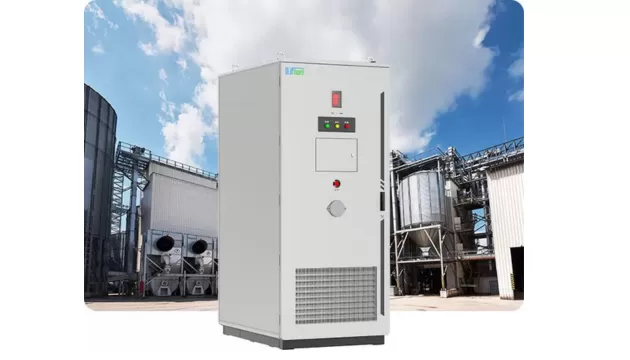
A battery energy storage system is only as useful to a project operator as the information and control that can be exchanged reliably across its equipment. The BMS, PCS, EMS, meters, plant SCADA and remote operations platform may each handle a different part of the system, so the integration design must define which device owns each measurement, command and protective action. OLiPower develops integrated ESS architectures with BMS, PCS, EMS and remote monitoring functions. This guide focuses on interface design and acceptance testing, a narrower question than general product selection or round-trip-efficiency comparison.
Interoperability is the ability of devices and software layers to exchange data and act together against a documented interface. Shared Ethernet ports or protocol names do not by themselves prove compatibility.
Define which system measures grid power, controls active/reactive power, sets charging limits, consolidates alarms and may change settings. System integrators should include facility controls when evaluating a c&i ess solution; a microgrid may also need coordination with PV, a generator and islanding logic.
A signal path shows where a value originates, how it is transformed and where it is displayed or used for control. Mapping it before configuration helps identify missing values, duplicate tags and inconsistent scaling.
For key signals, document source, register/object, units, scale, update interval, quality flag, timestamp and destination. For commands, document the owner, permitted range, local interlocks, acknowledgement, timeout and fallback action.
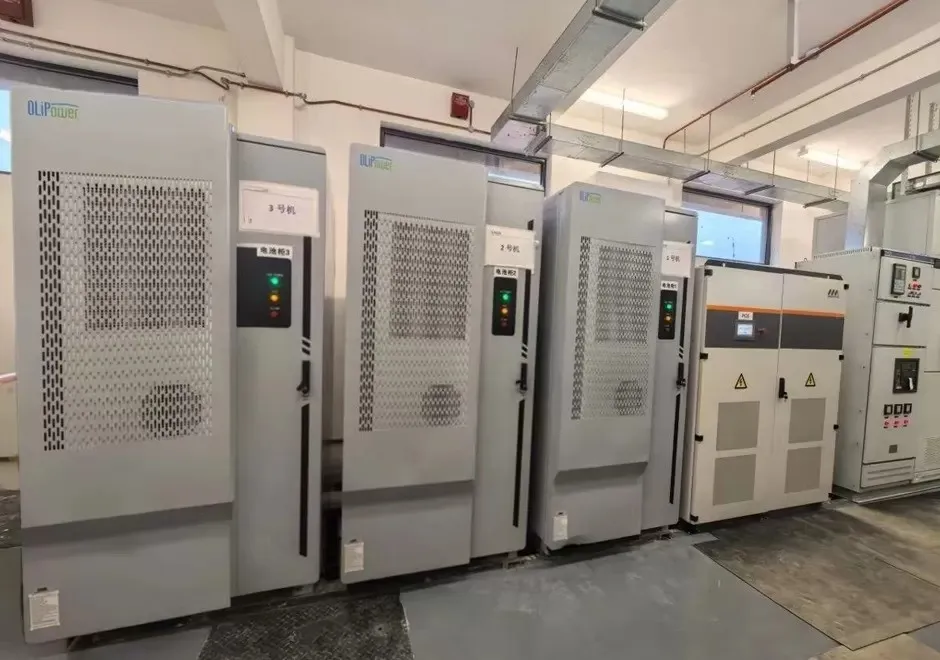
A communication protocol defines how devices exchange information; an interface specification defines how that protocol is used between named devices. Shared protocol support does not guarantee compatible registers, naming, scaling or command meaning.
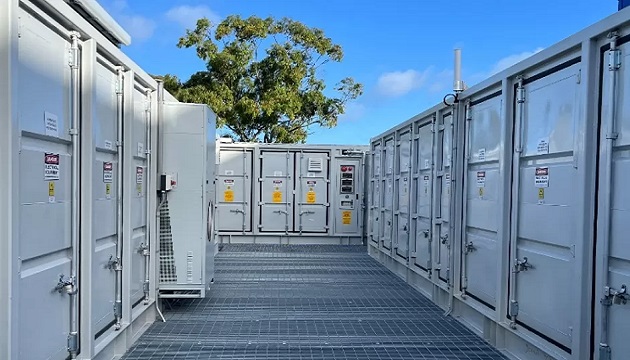
OLiPower lists CAN, RS485, Ethernet and dry contacts, with Modbus RTU/TCP, IEC 104 and IEC 61850 for its 5.015 MWh container. Confirm which interfaces apply to the ordered model and which support internal links versus plant integration.
Interface design for microgrid energy storage should map each protocol to its role: device communication, plant supervision, grid dispatch, alarm relay or remote service. Standards provide a reference point, but project-specific mapping and tests are still required.
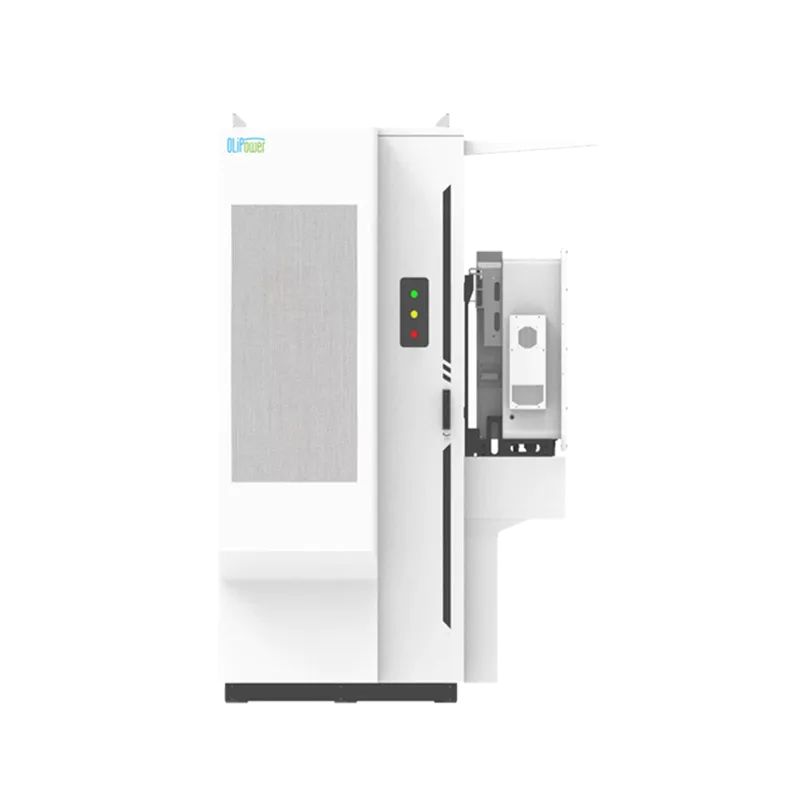
A BESS point list is the agreed inventory of telemetry, status, alarms and commands exchanged across system interfaces. It must be complete enough for safe operation and troubleshooting, while clear enough to maintain.
Give each point a description, source, units, scale, data type, range, update rate, quality behavior and alarm relevance. For commands, specify allowed ranges, priority, permissives, acknowledgement and the response to rejection.
Alarm handling detects abnormal conditions, alerts operators and triggers the response defined by the control and safety design. The alarm list should distinguish urgent actions from maintenance notices.
For each critical alarm, agree severity, latching/reset logic, timestamp, notification and operator action. For communications failure, define whether the function holds a last valid setpoint, returns to local mode, inhibits a command or enters another approved state.
Remote access should be authorized and logged. Plan network segmentation, role-based permissions, secure credentials, controlled software changes and incident escalation with the OT team. NIST’s OT security guide is an independent reference for making security part of system reliability.
Remote monitoring is valuable when it helps operators decide what action to take, rather than merely displaying data. Prioritize operating state, power flow, availability, alarms and trends tied to dispatch and service response.
OLiPower identifies cloud monitoring, real-time tracking, fault diagnosis, multidimensional reports and work-order management among its ESS platform capabilities. Confirm refresh rate, time sync, retention, export, user roles and whether the platform can issue commands or only monitor.
Agree which records are needed for performance review, maintenance, incident investigation and warranty claims. Define data retention and export responsibilities before handover.
Factory acceptance testing (FAT) and site acceptance testing (SAT) compare the supplied system with approved requirements. Communication tests should verify both data exchange and actual control response.
Test stale values, invalid scaling, alarms, out-of-range commands, network interruption, device restart and recovery. For each case, record expected behavior, actual result, evidence and sign-off. Ensure final documents match the tested configuration.
Interface item | What to verify | Acceptance evidence |
Telemetry | Units, scaling, timestamps, quality status and update rate | Cross-check source values against SCADA/HMI and record deviations. |
Commands | Permitted ranges, command ownership, acknowledgements and interlocks | Demonstrate allowed commands and confirm invalid commands are rejected safely. |
Alarms | Severity, latching/reset logic and event sequencing | Trigger representative alarms and compare timestamps, messages and operator actions. |
Network failure | Timeout detection and the approved fallback state | Interrupt the test link under controlled conditions and record system behavior. |
Remote access | User roles, authorization, audit trail and recovery steps | Demonstrate authorized access and review the change/access log. |
To resolve the communication bottlenecks, protocol mismatches, and field commissioning delays discussed in this guide, OLiPower provides fully integrated, multi-scenario Battery Energy Storage Systems (BESS) built on a unified control architecture. Ranging from commercial & industrial (C&I) liquid-cooled energy storage cabinets to utility-scale 5.015MWh containerized systems, OLiPower’s product portfolio seamlessly integrates Tier-1 LFP cells (such as 314Ah high-energy-density cells), high-efficiency Power Conversion Systems (PCS), in-house developed Battery Management Systems (BMS), and intelligent microgrid Energy Management Systems (EMS).
OLiPower implements standardized pre-configuration of hardware interfaces (CAN, RS485, Ethernet, and Dry Contacts) and native industrial protocols (Modbus RTU/TCP, IEC 60870-5-104, and IEC 61850) directly from the factory. This ensures that every telemetry data point, command set, and safety interlock is precisely mapped and pre-tested prior to shipment. Whether deployed for peak shaving, PV-storage microgrids, or grid-side frequency regulation, OLiPower systems combine IP54/IP67 high-level protection, precise liquid cooling, multi-stage aerosol fire suppression, and a cloud-based remote O&M platform—delivering developers and EPCs a plug-and-play, audit-ready, and highly reliable energy storage solution.
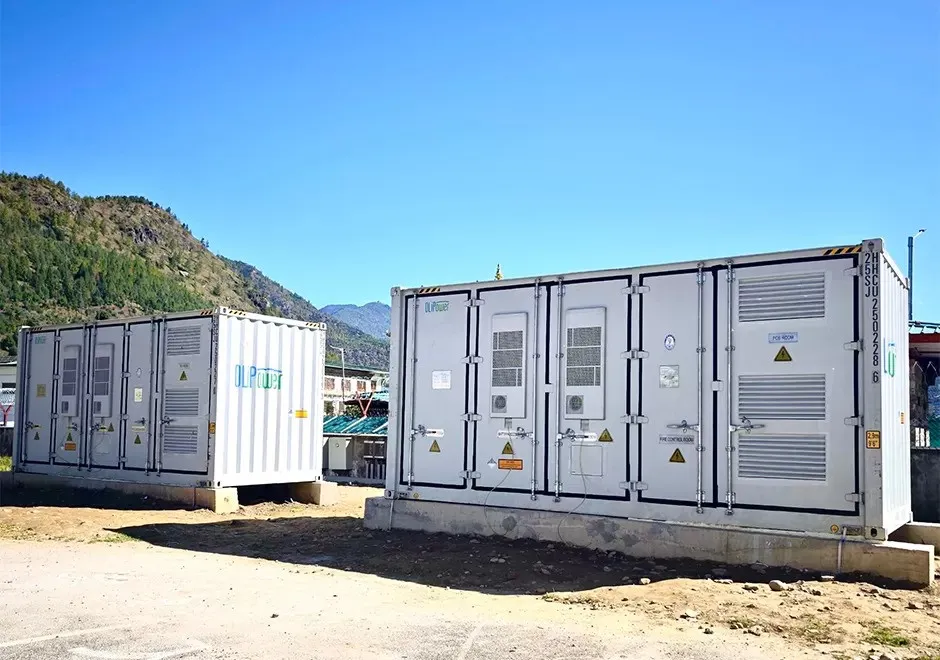
An integration baseline is the controlled set of specifications, interface documents and approved settings used to configure and test a project. It distinguishes a general product brochure from the equipment actually offered.
The product specification for OLiPower’s listed 5mwh bess container names CAN, RS485, Ethernet and dry contacts as system interfaces and lists Modbus RTU/TCP, IEC 104 and IEC 61850 as protocols. Request the configuration-specific interface schedule, register map, network diagram, firmware versions and point list.
Link the approved configuration to the purchase specification so any later interface changes are reviewed formally rather than improvised during site commissioning.
No. The devices still need compatible registers, data types, scaling, update behavior, control semantics and a tested interface definition.
The protocol defines the communication method; the point list defines the specific measurements, states, alarms and commands exchanged for this project.
They help operators reconstruct event order and distinguish a real system condition from stale, invalid or delayed telemetry.
That is a project security and operations decision. Define which roles may issue commands, how they are authorized and logged, and what local interlocks remain in force.
Test representative telemetry, commands, alarms, communication loss and recovery behavior against agreed pass criteria, while retaining signed evidence.
Confirm the interfaces and protocols on the ordered model, register map, signal direction, alarm list, network requirements, firmware versions and remote-access responsibilities.
Reliable BESS integration requires a documented signal path, unambiguous control authority, usable point lists, tested fallback behavior and a clear cybersecurity model. OLiPower’s ESS portfolio combines battery and power-control technologies with monitoring capabilities; aligning the ordered configuration with the owner’s interface and acceptance requirements early can reduce avoidable site rework and make operation easier to support.
Ready to size your next project?
Contact our engineering team today:
Online Inquiry Form: https://www.olipowerenergy.com/contact.html
Email: sales@olipower.cn
1. Modbus Organization: Specifications and Implementation Guides
3. NIST: Guide to Operational Technology (OT) Security, SP 800-82 Rev. 3