Battery energy storage is becoming one of the most important technologies for renewable integration, grid flexibility, peak shaving, backup power, and energy cost optimization. However, one of the first questions project owners ask is also one of the hardest to answer directly:
How much does a battery energy storage system cost?
The simple answer is: it depends on system capacity, power rating, battery chemistry, duration, PCS configuration, thermal management, safety design, installation conditions, grid connection requirements, and long-term operation strategy.
This guide explains the major cost factors that affect BESS pricing and how buyers can evaluate ROI more realistically before selecting a BESS supplier.
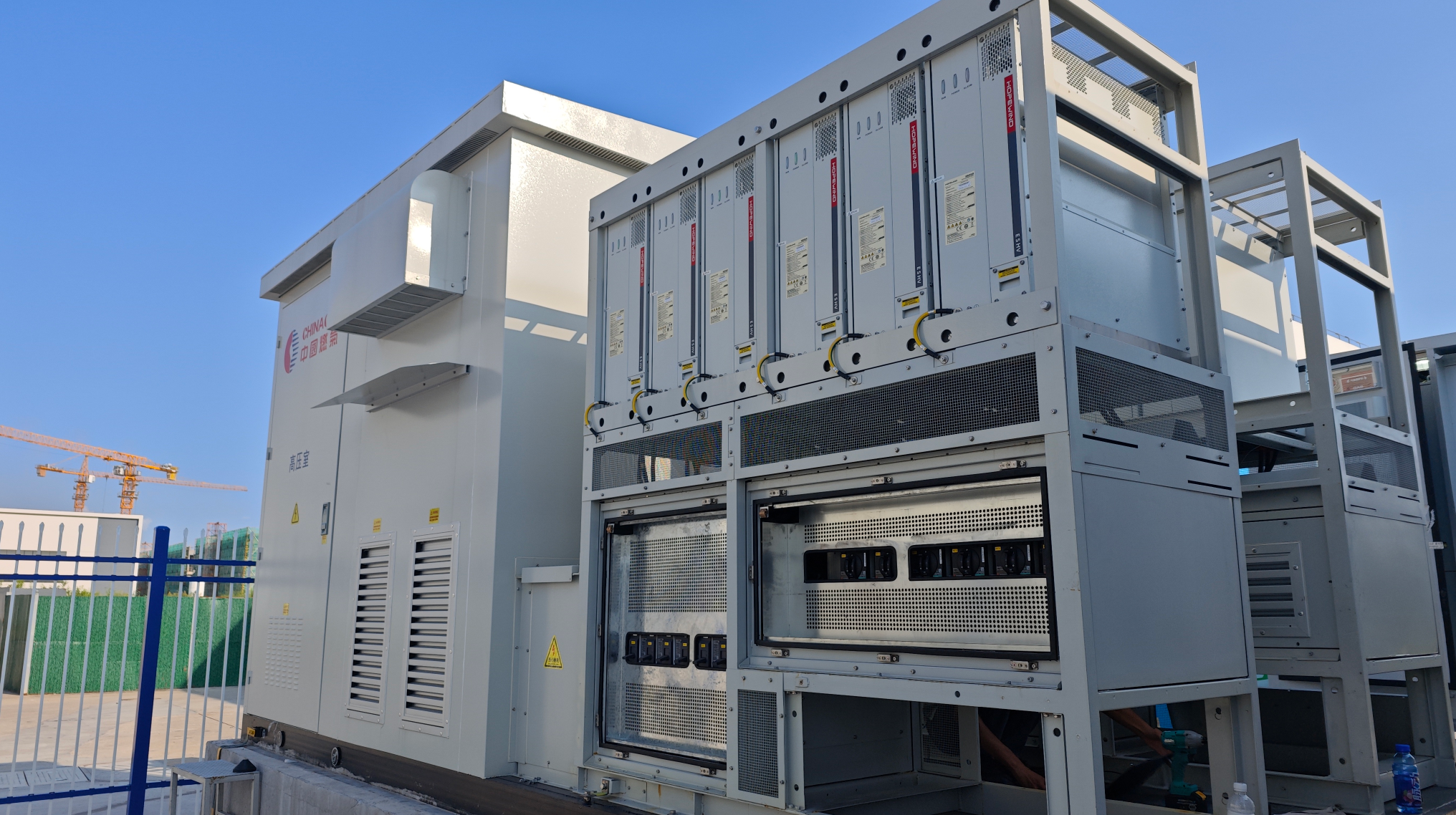
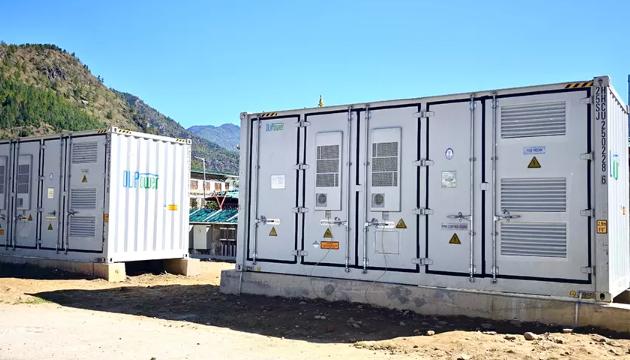
A battery energy storage system is not just a group of battery cells. A complete BESS system usually includes multiple hardware, software, engineering, and site-related cost items.
Typical BESS cost components include:
Battery cells, modules, racks, or containers
Battery Management System, or BMS
Power Conversion System, or PCS
Energy Management System, or EMS
HVAC or liquid cooling system
Fire detection and fire suppression system
DC and AC electrical distribution
Transformer and switchgear
Container or outdoor cabinet structure
Monitoring and communication system
Installation, commissioning, testing, and grid connection
Civil works, cable routing, and site preparation
Long-term operation, maintenance, and spare parts
BESS pricing is often discussed in two ways:
Cost per kWh refers to the cost related to energy capacity. It answers the question: how much energy can the system store?
Cost per kW refers to the cost related to power output. It answers the question: how much power can the system deliver at one time?
For example, a 5MW/10MWh system and a 2.5MW/10MWh system may have the same energy capacity, but they do not have the same power capability. The first system can discharge at a higher power level over a shorter duration, while the second system is designed for longer-duration discharge at lower power.
This is why buyers should not compare BESS prices only by kWh. The PCS rating, discharge duration, application scenario, grid connection design, and control strategy all affect the real project cost.
Battery cells usually represent a major portion of BESS hardware cost. Today, many stationary storage projects use lithium iron phosphate, or LFP, because it offers strong safety characteristics, long cycle life, and competitive cost.
Battery prices have also changed significantly in recent years. BloombergNEF reported that average lithium-ion battery pack prices fell to $108/kWh in 2025, while stationary storage battery pack prices dropped to $70/kWh in 2025, partly due to cell manufacturing overcapacity, LFP adoption, and strong supplier competition.
However, the battery cell price is not the same as the full BESS project price. A complete system also includes PCS, containers, cooling, safety systems, engineering, installation, grid interconnection, and project management.
BESS projects are commonly described by power and energy, such as:
1MW/2MWh
2MW/4MWh
5MW/10MWh
2.5MW/5MWh
Duration is calculated by dividing energy capacity by power output. For example, a 5MWh system discharged at 2.5MW has a 2-hour duration. The same 5MWh system discharged at 1.25MW has a 4-hour duration.
Longer-duration systems require more battery capacity, but not always more PCS power. This changes the cost structure. A 4-hour system usually has a higher share of battery cost, while a 1-hour system may have a higher proportion of PCS and power equipment cost.
NREL’s 2025 utility-scale battery storage cost update focuses on 4-hour lithium-ion systems and shows significant variation in cost projections. The report projects 4-hour battery system capital costs of $147/kWh, $243/kWh, and $339/kWh in 2035, and $108/kWh, $178/kWh, and $307/kWh in 2050, depending on low, mid, and high cost cases, in 2024 dollars.
The Power Conversion System converts DC battery power into AC power for grid or load use. PCS selection affects:
Rated output power
Conversion efficiency
Grid-forming or grid-following capability
Voltage level
Reactive power support
Response speed
System protection
Compliance with local grid codes
For utility-scale projects, PCS and grid connection design can significantly affect project cost. A project connected at a higher voltage level may require additional transformers, switchgear, protection devices, testing, and utility approval procedures.
Temperature control is critical for BESS safety, performance, and long-term battery life. Systems may use air cooling or liquid cooling depending on capacity, energy density, operating environment, and performance requirements.
Liquid cooling generally offers better temperature uniformity and is commonly used in high-density utility-scale and large C&I systems. However, it also increases system complexity and may affect upfront cost. In hot, humid, dusty, or high-altitude environments, thermal design becomes even more important.
Safety design is a major part of BESS cost and should never be treated as optional. A safe BESS solution should include appropriate fire detection, gas detection where applicable, fire suppression, thermal runaway mitigation, electrical protection, system isolation, monitoring, emergency stop design, and compliance with project standards.
Lower-cost systems may look attractive at first, but insufficient safety design can increase project risk, insurance difficulty, permitting problems, and long-term operational cost.
The Energy Management System controls when the battery charges, discharges, stays idle, or supports the grid. For many projects, EMS quality directly affects ROI.
A strong EMS can support:
Peak shaving
Time-of-use arbitrage
PV smoothing
Renewable energy shifting
Demand response
Backup power control
Virtual power plant participation
Remote monitoring and fault diagnosis
OLiPower highlights its focus on power electronics, advanced BMS, PCS, EMS, and IoT cloud platform development, with cloud-based monitoring for remote control, real-time data tracking, fault diagnosis, and system optimization.
Two BESS projects with the same battery capacity may have different final costs because of site conditions.
Important site-related cost factors include:
Site Factor | How It Affects Cost |
Land and foundation | Impacts civil works and layout |
Cable distance | Affects copper/aluminum cable cost and losses |
Grid connection point | Impacts transformer and switchgear requirements |
Local climate | Affects cooling and enclosure design |
Fire safety distance | Affects site layout and permitting |
Transportation access | Affects container delivery and installation |
Local regulations | Affects certification, testing, and approval time |
For this reason, reliable BESS solutions should be customized based on both technical requirements and site conditions.
Cost Factor | Main Impact on Price | Impact on ROI | Buyer Recommendation |
Battery capacity, kWh | High | Determines discharge duration and revenue potential | Match capacity to actual load and revenue model |
PCS power, kW | Medium to high | Determines peak shaving and power response capability | Avoid oversizing PCS without a clear use case |
Battery chemistry | High | Affects cycle life, safety, degradation, and replacement risk | Prioritize proven chemistry for stationary storage |
Cooling system | Medium | Affects battery life and system availability | Choose based on climate, density, and operation profile |
EMS and software | Medium | Strongly affects revenue optimization | Evaluate control logic, monitoring, and remote support |
Fire protection | Medium | Reduces safety and insurance risk | Do not reduce safety design to cut cost |
Grid connection | Medium to high | Affects project timeline and usable revenue | Confirm grid code and interconnection early |
Installation and civil works | Variable | Affects total installed cost | Review site layout before final quotation |
O&M and spare parts | Long-term cost | Affects lifecycle ROI | Include maintenance planning in ROI calculation |
BESS ROI depends on both cost and revenue. A low-cost system does not always deliver better ROI if it has poor efficiency, high downtime, fast degradation, limited software capability, or weak after-sales support.
The main ROI drivers include:
For commercial and industrial users, BESS can discharge during high-demand periods to reduce peak demand charges. ROI depends on the demand tariff, peak duration, and how accurately the EMS controls discharge.
In markets with peak and off-peak electricity price differences, the system can charge when electricity is cheaper and discharge when prices are higher. The larger the price spread, the better the potential return.
For solar and wind projects, BESS can store excess generation and release it when generation is low or electricity prices are higher. This helps reduce curtailment and improve renewable utilization.
Utility-scale BESS can support frequency regulation, reserve capacity, voltage support, and other grid services, depending on local market rules. Revenue potential varies widely by country and grid market.
For factories, data centers, public facilities, and critical infrastructure, backup power value is not only measured by electricity price. Avoided downtime, production loss prevention, and power reliability can be major ROI factors.
Battery degradation affects available capacity over time. A system with lower upfront cost but faster degradation may produce less usable energy over its lifetime. ROI calculations should consider usable capacity, cycle life, warranty terms, and operating strategy.
A basic ROI calculation can start with the following formula:
Simple Payback Period = Total Project Cost ÷ Annual Net Benefit
Annual net benefit may include:
Demand charge savings
Energy arbitrage savings
Renewable energy utilization value
Grid service revenue
Backup power value
Reduced diesel generator fuel cost
Reduced outage loss
Less O&M cost from optimized operation
For example, if a BESS project costs $1,000,000 and generates $200,000 in annual net benefit, the simple payback period is:
$1,000,000 ÷ $200,000 = 5 years
This is only a simplified calculation. A professional ROI model should also consider battery degradation, financing cost, tax incentives, insurance, maintenance, electricity price changes, availability, replacement cost, and end-of-life value.
When comparing quotations from different suppliers, buyers should check whether each quote includes the same scope.
A low quotation may exclude important items such as:
PCS
Transformer
EMS
Fire protection system
HVAC or liquid cooling
Installation and commissioning
Grid-side equipment
Freight and insurance
Warranty extension
Monitoring platform
Spare parts
On-site technical support
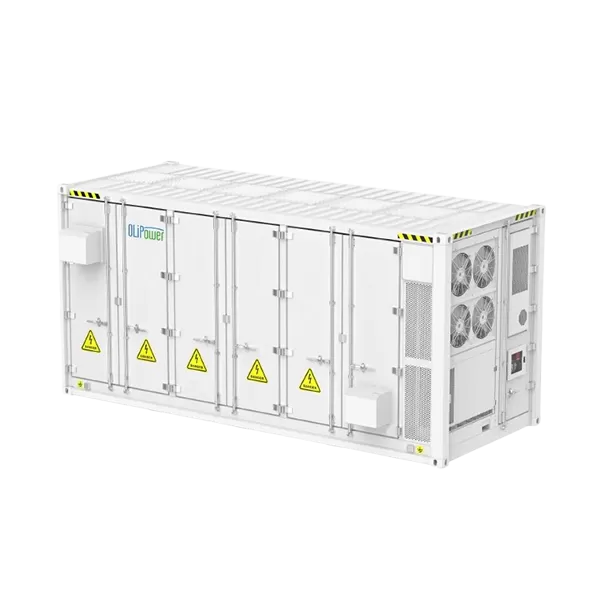
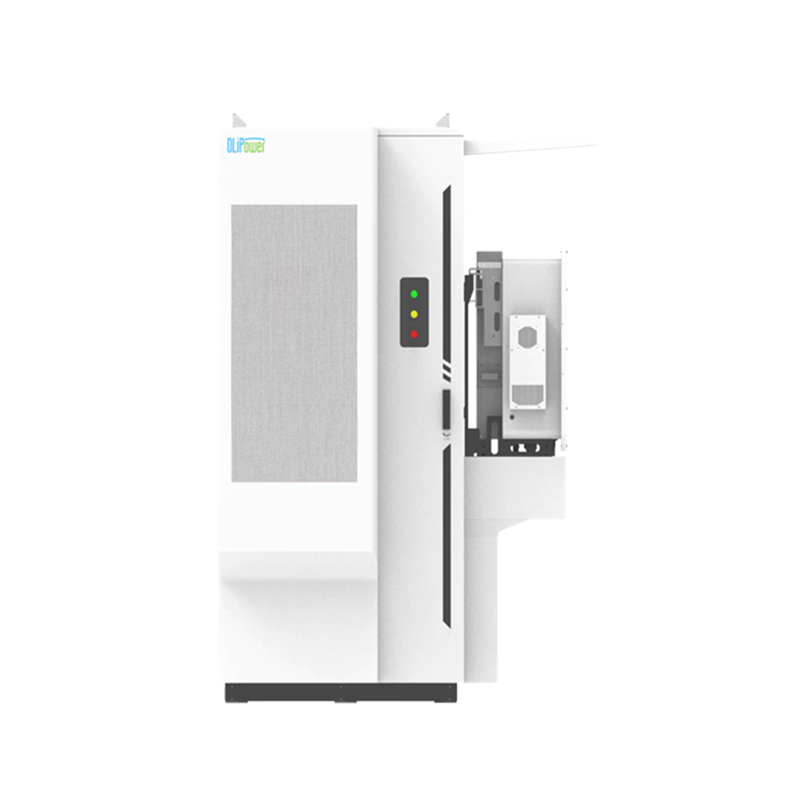
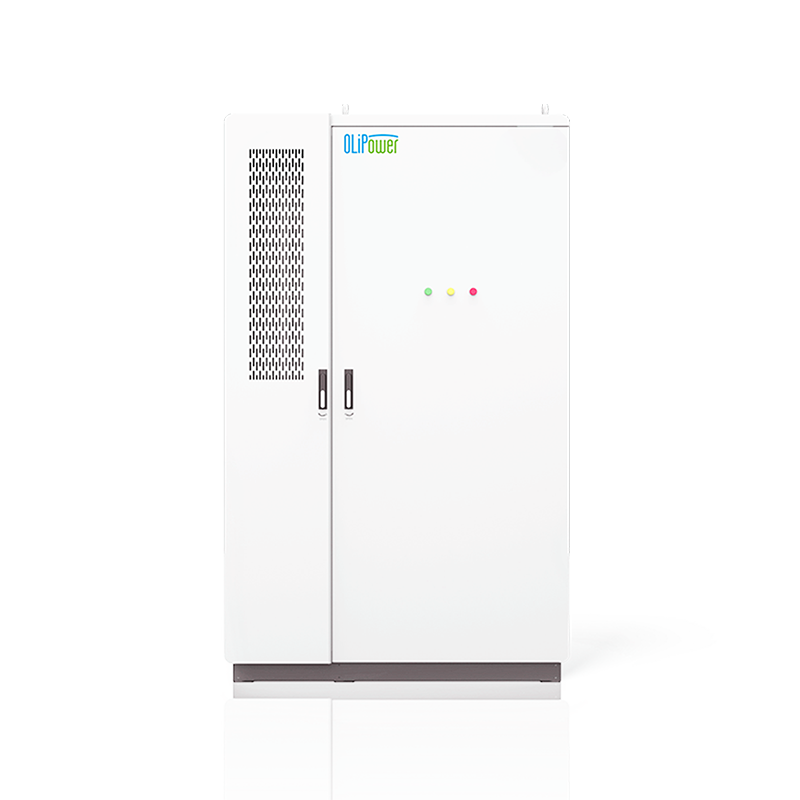
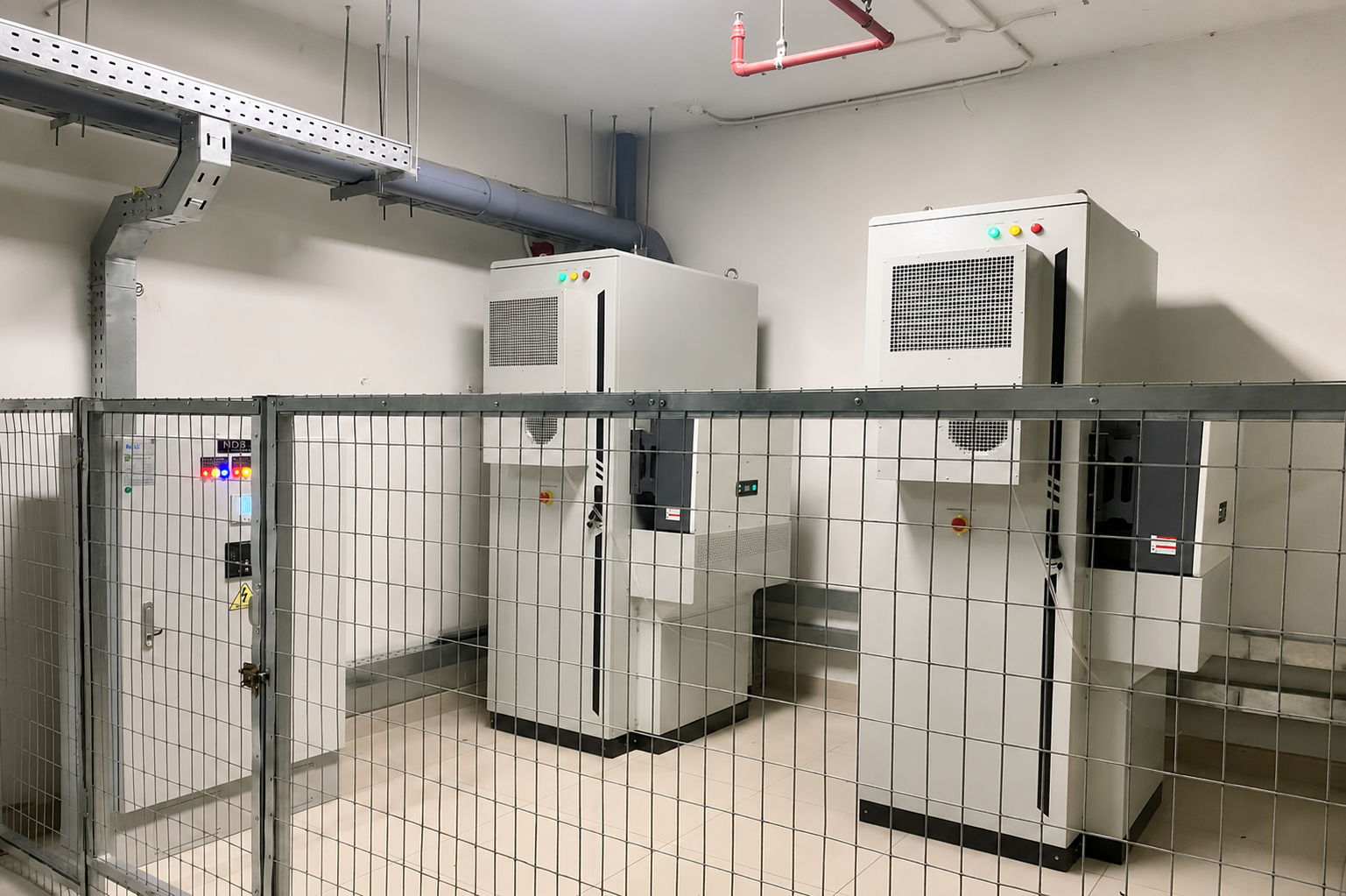
This is why buyers should not compare only the headline price per kWh. A complete technical and commercial comparison is more reliable. As a professional BESS supplier, OLiPower provides product options across C&I ESS, microgrid ESS, DC battery cabinets, and grid-scale BESS.
Cost optimization does not mean choosing the cheapest system. It means selecting the right configuration for the project’s actual use case.
Practical ways to control cost include:
Define the revenue model clearly
A system designed for peak shaving is different from one designed for renewable shifting or grid services.
Avoid oversizing power or capacity
Oversizing increases upfront cost and may reduce ROI.
Use the right duration
A 2-hour, 4-hour, or longer-duration system should be selected based on load profile and revenue opportunity.
Choose a suitable thermal management design
The cooling system should match the site climate and system density.
Confirm grid connection requirements early
Late changes to voltage level, transformer capacity, or protection requirements can increase project cost.
Evaluate lifecycle cost, not only purchase price
Degradation, warranty, efficiency, O&M, and downtime risk all affect real ROI.
Battery energy storage system cost is affected by far more than battery price alone. A complete BESS project includes battery cells, PCS, BMS, EMS, thermal management, fire protection, grid connection, installation, commissioning, software, warranty, and long-term operation.
For project owners, the best system is not always the lowest-priced option. The right solution should balance upfront cost, safety, performance, efficiency, degradation, project revenue, and lifecycle ROI.
As a professional BESS supplier, OLiPower provides integrated BESS solutions for commercial, industrial, microgrid, and utility-scale energy storage applications. If you are planning a grid-scale or large C&I energy storage project, send your required power, capacity, runtime, application scenario, and site information to OLiPower for a tailored BESS solution and ROI evaluation.