A utility-scale battery energy storage system (BESS) is a project asset, not simply a container full of cells. Its value depends on how the battery, power conversion equipment, controls, thermal management, protection systems and site infrastructure perform together. For developers and EPC teams, procurement should therefore begin with the grid service and the project boundary, then move into the equipment schedule and acceptance criteria. OLiPower provides grid-scale storage architectures for renewable integration, frequency support and energy dispatch; the practical question is how to confirm that a proposed configuration fits the actual site and operating profile.
A BESS duty profile defines what the system must deliver, how quickly it must respond and how often it will cycle. Energy shifting, renewable smoothing, frequency regulation and reserve support create different operating requirements, even when container capacities look similar.
Before requesting quotes, document power setpoints, discharge windows, charging sources, dispatch frequency, permitted downtime and grid-interface requirements. For projects with multiple objectives, specify which service takes priority when routine energy use conflicts with outage reserve.
A BESS specification is a common framework for comparing equipment. It should distinguish rated power, installed and usable energy, response behavior, efficiency boundaries and auxiliary consumption rather than relying on one headline capacity.
When reviewing a 5mwh bess container, confirm whether capacity is nominal or usable, which state-of-charge limits apply, and whether efficiency includes conversion and auxiliary systems. Request test conditions, ambient temperature, charge/discharge rate and any exclusions.
OLiPower lists 5.015 MWh system capacity and 0.5P rated power for model OLP-EC-V1331.2V_E5015-LO. These values are model-specific; validate the final configuration against the project’s interconnection study and dispatch model.
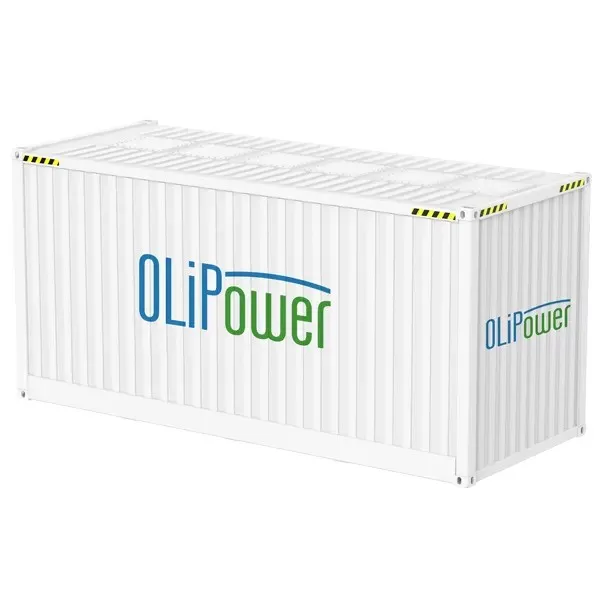
Site qualification checks whether a location can safely receive, install and operate the selected BESS. It covers transport access, foundations, lifting clearances, cable routes, cooling clearances, drainage, emergency access and room for maintenance.
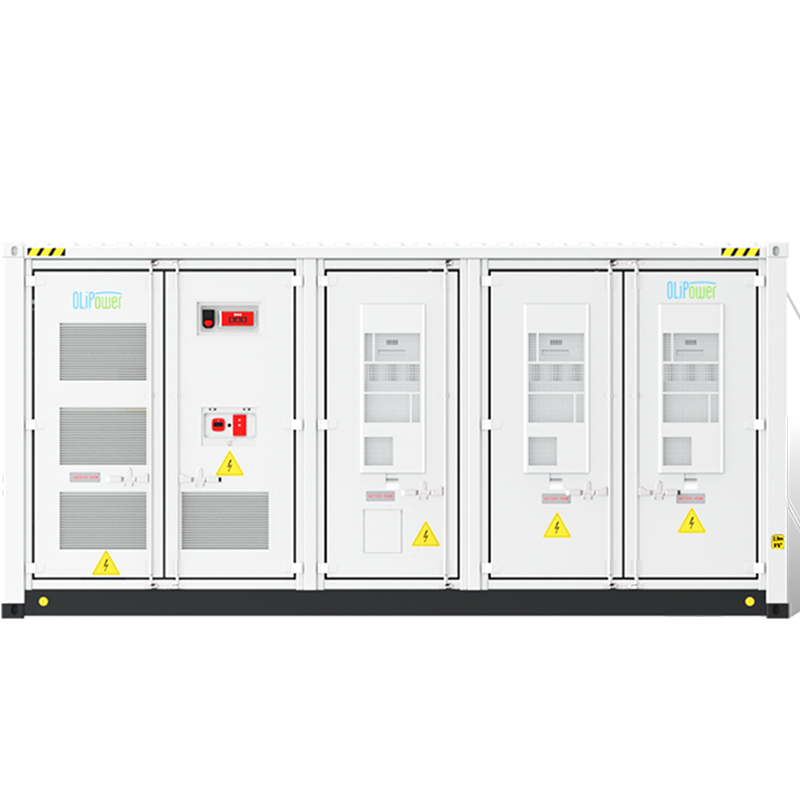
OLiPower lists the 5.015 MWh container at 6,058 × 2,438 × 2,896 mm and an estimated weight of up to 43 tonnes. Verify transport routes, crane reach, ground-bearing capacity, service clearances and fire-service access before freezing the layout.
The listed operating temperature is 0–50°C, humidity is 0–95% non-condensing and installation altitude is up to 3,000 m. Compare these limits with site extremes and request written confirmation of any required derating or mitigation.
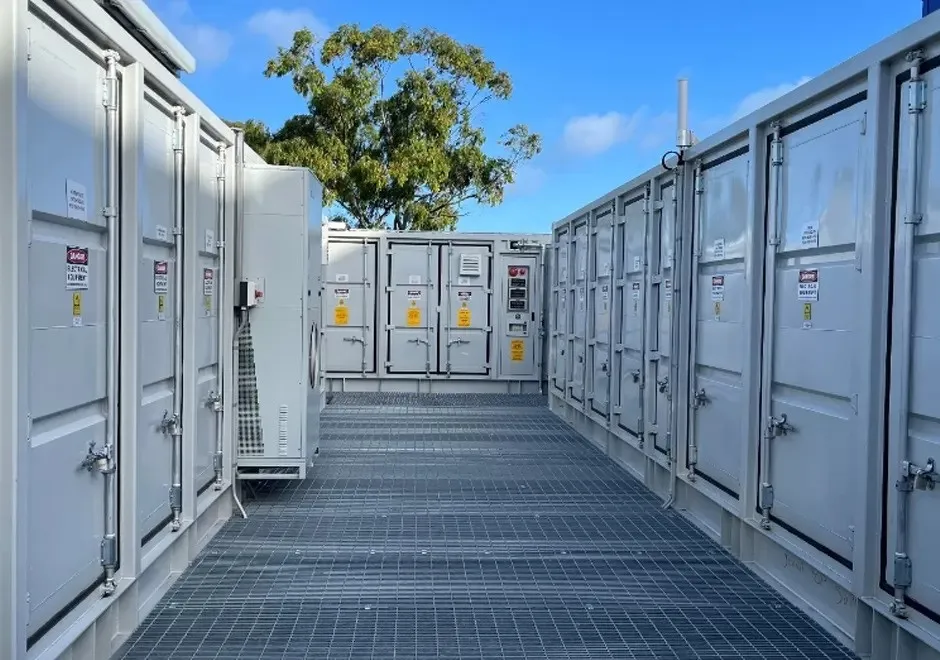
Thermal management keeps battery cells within an intended temperature range and helps avoid uneven operating conditions. Buyers should assess cooling method, monitoring coverage, fault response, service access and limits under non-nominal ambient conditions.
For its 5.015 MWh container, OLiPower lists liquid cooling and low-temperature heating with intelligent temperature control. Ask how cooling faults are alarmed, which maintenance tasks are required and what guarantees apply at specified ambient temperatures.
Review service-life claims with the assumptions behind them, including cycling profile, temperature and depth of discharge. The contract should state what is guaranteed and how compliance is measured.
BESS safety combines cell-level protection, electrical isolation, battery management, thermal control, fire detection and suppression, enclosure design, site spacing and emergency procedures. A component list alone cannot establish suitability for a particular site.
OLiPower lists LFP cells, pack-level fuse protection, a three-level BMS protection strategy, and perfluorohexanone/aerosol plus water-sprinkler fire protection for the 5.015 MWh model. Confirm the offered bill of materials because features and approvals can vary by model.
Align supplier documents with the authority having jurisdiction, insurer, fire engineer and EPC team. Confirm that certificates cover the integrated configuration and review emergency access and procedures. The utility ess solution must be assessed as a complete installation, not only as an enclosure.
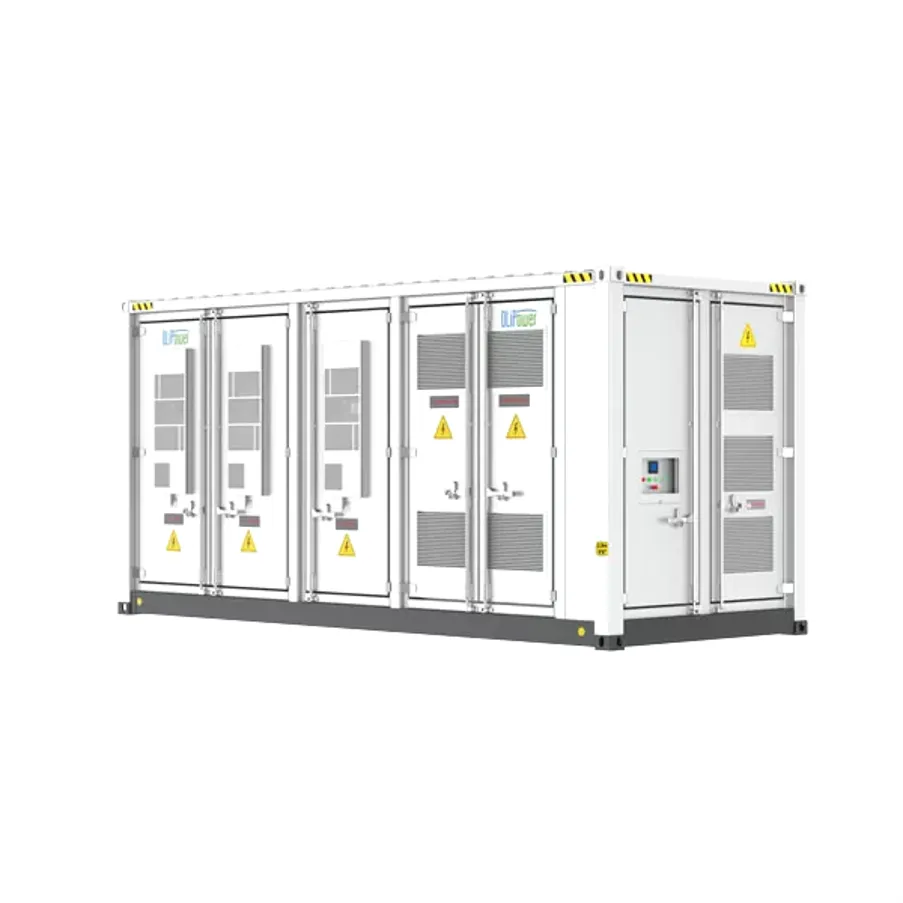
Maintainability is the ability to inspect, diagnose and restore equipment with controlled downtime. OLiPower identifies remote monitoring, multidimensional reports, work-order management and PCS/EMS linkage for its 5 MWh container offering.
Ask which alarms reach the owner, how event history is exported, how remote access is authorized, what spare parts are stocked, and who owns software changes. Define inspection intervals, warranty exclusions, escalation contacts and the responsibilities of site staff before handover.
A procurement matrix compares each supplier against the same technical, safety, delivery and service criteria. It helps reveal gaps in scope or documentation that a low headline price can hide.
OLiPower’s broader grid ess portfolio supports renewable integration, frequency and voltage services, and energy dispatch. Map each required service to the offered power, energy, control strategy and interface scope before scoring the quote.
Review area | Evidence to request | Why it matters |
Power and usable energy | Guaranteed power/energy values, operating window and test conditions | Confirms that the system can perform the project duty rather than only match a nominal label. |
Site and environment | Dimensions, transport weight, temperature/humidity limits, clearances | Reduces redesign, installation constraints and avoidable derating. |
Safety and compliance | Cell/pack/system certificates, protection diagram, emergency documentation | Lets the EPC, owner, insurer and authority review the exact offered configuration. |
Controls and interfaces | Point list, protocol list, alarm matrix, EMS/PCS responsibilities | Makes system integration and acceptance measurable. |
Service and warranty | Maintenance scope, spare parts, warranty conditions and escalation path | Clarifies total ownership responsibilities after handover. |
Confirm the service duty and the required power and usable energy. Then verify response, operating window, efficiency boundary and controls against that duty.
No. Project fit depends on dispatch duration, power requirements, grid conditions, site constraints and the accepted operating limits of the selected configuration.
They affect transport access, crane planning, foundation design, spacing and maintenance access. Those constraints can change the usable site layout.
Ask for operating temperature limits, fault alarms, maintenance needs, temperature monitoring and any conditions that affect performance or warranty.
No. Safety also depends on electrical protection, thermal controls, fire protection, installation layout, emergency procedures and approvals for the integrated system.
Typical items include approved drawings, test records, certificates, alarm/point lists, operating and maintenance manuals, warranty terms and training records.
A reliable utility-scale BESS purchase aligns the grid duty, usable capacity, site conditions, safety layers, monitoring and service obligations before a supplier is selected.To resolve these complex engineering challenges, OLiPower delivers modular, pre-engineered 5.015 MWh liquid-cooled containerized solutions—combining 314Ah high-density cells, liquid-cooling thermal management, UL/NFPA-compliant 4-level safety protection, and cloud-based EMS O&M capabilities.A project-specific review with our engineering team is the best next step for translating your site constraints and duty profiles into an optimized BESS configuration.
Ready to size your next project?
Contact our engineering team today:
Online Inquiry Form: https://www.olipowerenergy.com/contact.html
Email: sales@olipower.cn
1. UL Solutions: Large-Scale Fire Testing for Battery Energy Storage Systems
2. UL Solutions: Installation Codes and Requirements for Energy Storage Systems (ESS) — FAQs
3. U.S. Department of Energy: Storage