As the global energy transition accelerates, Battery Energy Storage Systems (BESS) have moved to the forefront of infrastructure development. However, for investors, grid operators, and business owners, the landscape can be confusing. Not all storage systems are created equal. The industry generally bifurcates into two primary categories: Commercial & Industrial (C&I) and Utility-scale energy storage.
Understanding the nuances between these two, ranging from their placement on the grid to their fundamental economic drivers, is essential for any stakeholder looking to capitalize on the green revolution. As a pioneer in the field since 2016, OliPower provides specialized solutions for both ends of this spectrum.
Commercial and Industrial (C&I) energy storage refers to systems installed at the site of a business, factory, or institution. The system is connected to the user’s electrical system after the utility meter, primarily serving the owner’s internal needs rather than the macro-grid.
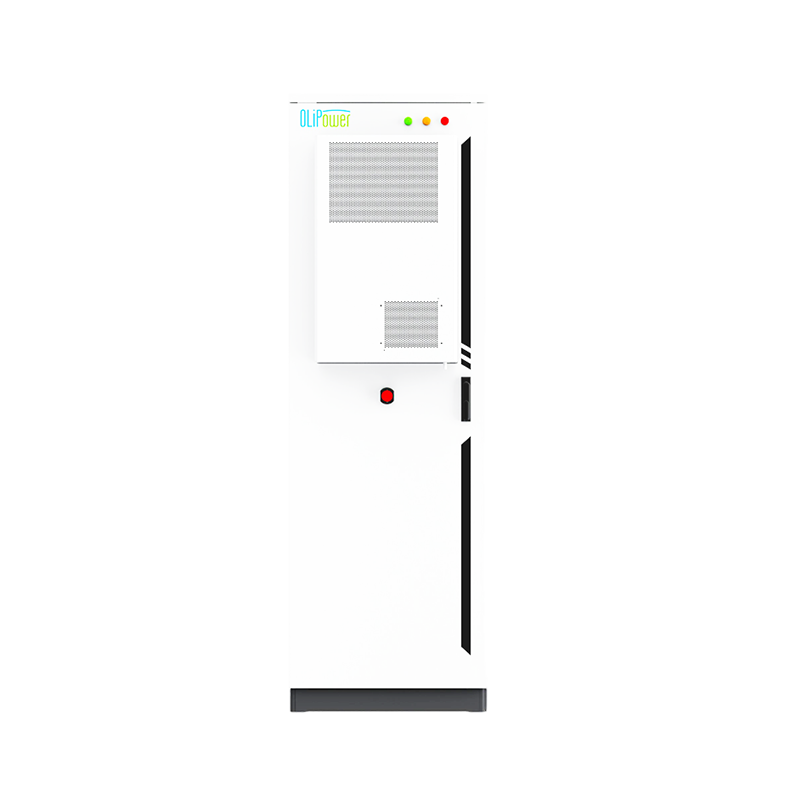
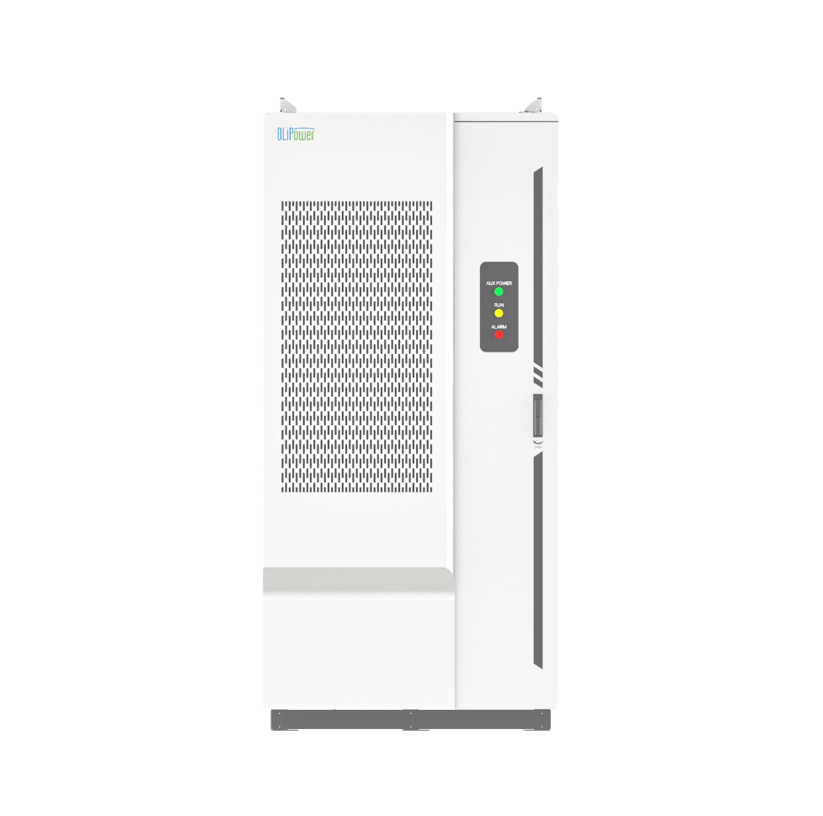
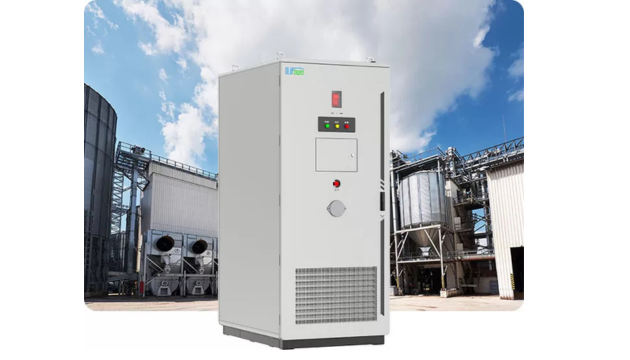
The primary goal of a C&I ESS is economic optimization and resilience. For a factory owner, electricity costs are often dominated by demand charges, fees based on the highest level of power used during a single 15-minute window. By using a system like OliPower’s C&I all-in-one cabinets, businesses can perform peak shaving, discharging the battery during high-use periods to lower their utility bills. Furthermore, these systems provide critical backup power, ensuring that a sudden grid outage doesn't lead to expensive production downtime.
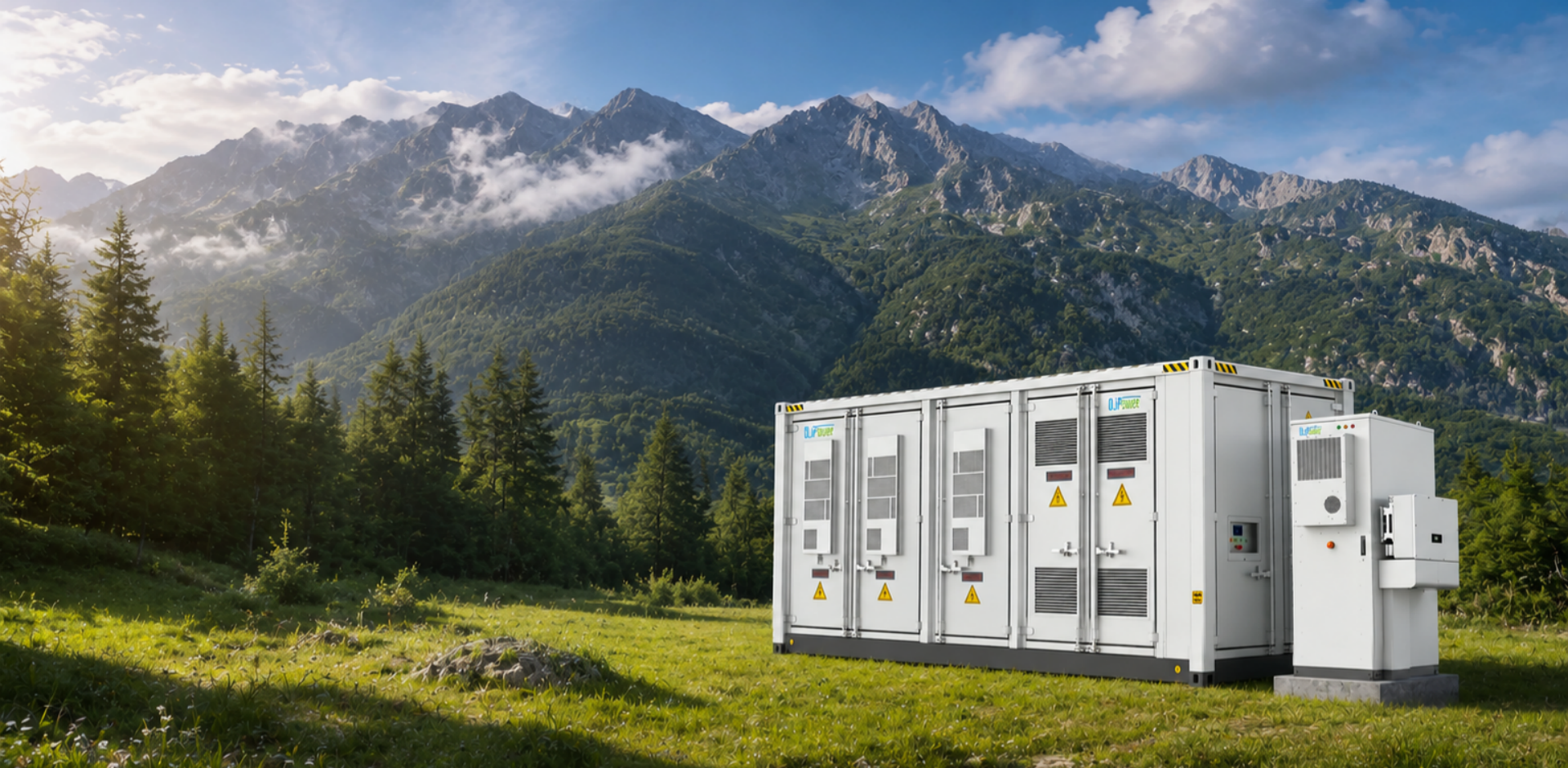
In contrast, utility-scale energy storage, also known as grid-scale or large-scale BESS, is connected directly to the transmission or distribution network. The difference is not just in size, but in function. While a C&I system might range from 100kWh to a few MWh, utility-scale ESS projects often exceed 100MWh and serve the needs of the entire regional grid.
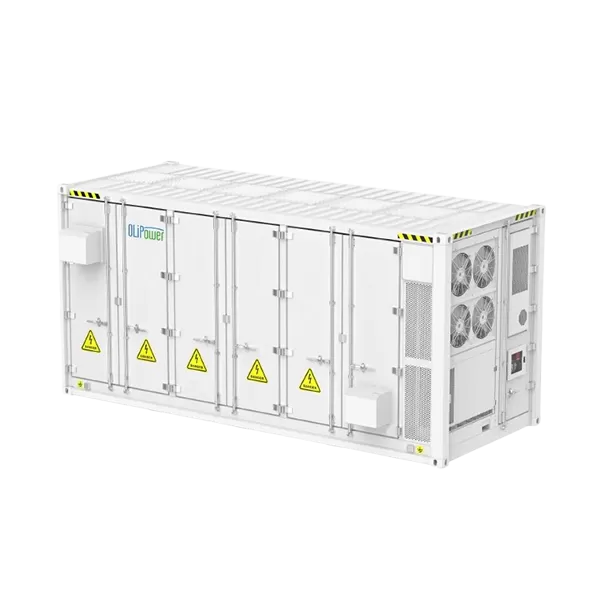
Utility-scale systems are the stabilizers of the energy world. They provide services like frequency regulation, voltage support, and time-shifting of bulk renewable energy. For instance, a 5MWh containerized solution from OliPower’s utility ESS line can store vast amounts of solar energy generated during the day and release it into the grid during the evening peak, solving the duck curve challenge faced by utility providers worldwide.
Scale and Capacity: C&I systems are modular and decentralized. They are designed to fit into tight spaces like parking lots or warehouse basements. Utility-scale systems are massive infrastructure projects, often requiring large dedicated sites and robust containerized enclosures.
Revenue Streams: For C&I, the revenue is often cost-avoidance (lower bills and avoiding downtime). For utility-scale, the revenue comes from participating in energy markets, providing ancillary services to grid operators, or power purchase agreements (PPAs).
Complexity and Integration: Utility systems require complex handshakes with high-voltage grid standards. C&I systems, while smaller, require sophisticated Energy Management Systems (EMS) to balance rooftop solar, EV charging, and building loads simultaneously.
| Feature | C&I ESS | Utility-Scale ESS |
| Grid Placement | Installed at the customer’s site, after the utility meter. | Connected directly to the transmission or distribution grid. |
| Typical Capacity | Smaller scale: Generally 100kWh to 2MWh. | Large scale: Typically 5MWh to hundreds of MWh/GWh. |
| Primary Objective | Self-optimization: Lowering electricity bills and ensuring business continuity. | Grid support: Balancing supply and demand on a regional or national level. |
| Core Applications | Peak shaving, demand charge management, PV self-consumption, and backup power. | Frequency regulation, voltage support, renewable energy time-shifting, and black start. |
| Revenue/ROI Drivers | Reducing high demand charges, energy arbitrage, and avoiding costly downtime. | Ancillary service payments, energy market arbitrage, and PPAs. |
| Physical Form Factor | Modular & Compact: Often all-in-one cabinets that fit into tight commercial spaces. | Containerized: Massive deployments using 20ft or 40ft high-cube containers. |
| Cooling Technology | Moving toward Liquid-cooled all-in-one cabinets for higher efficiency and safety. | Primarily High-density Liquid Cooling to maintain cell uniformity across massive arrays. |
For the C&I sector, OliPower offers standardized liquid-cooled all-in-one ESS cabinets. These units simplify the complexity of energy storage by integrating the Battery Management System (BMS), Power Conversion System (PCS), and thermal management into a single, factory-tested unit.
For utility-scale projects, OliPower delivers high-density containerized solutions that prioritize safety and longevity. Utilizing advanced liquid-cooling technology, these systems ensure that temperature differentials across thousands of battery cells are kept within a minimal range. This is crucial for large-scale assets where even a small drop in efficiency can result in significant financial losses over the system's 10-to-15-year lifecycle.
Choosing between C&I and utility-scale energy storage depends entirely on your role in the energy ecosystem. If you are a business leader looking to slash operational costs and secure your power supply, a C&I ESS is the optimal choice. If you are an IPP (Independent Power Producer) or grid operator looking to stabilize the network and capitalize on energy arbitrage, utility-scale storage is the path forward.