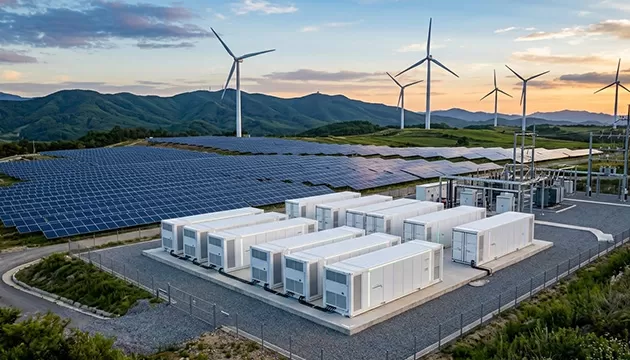
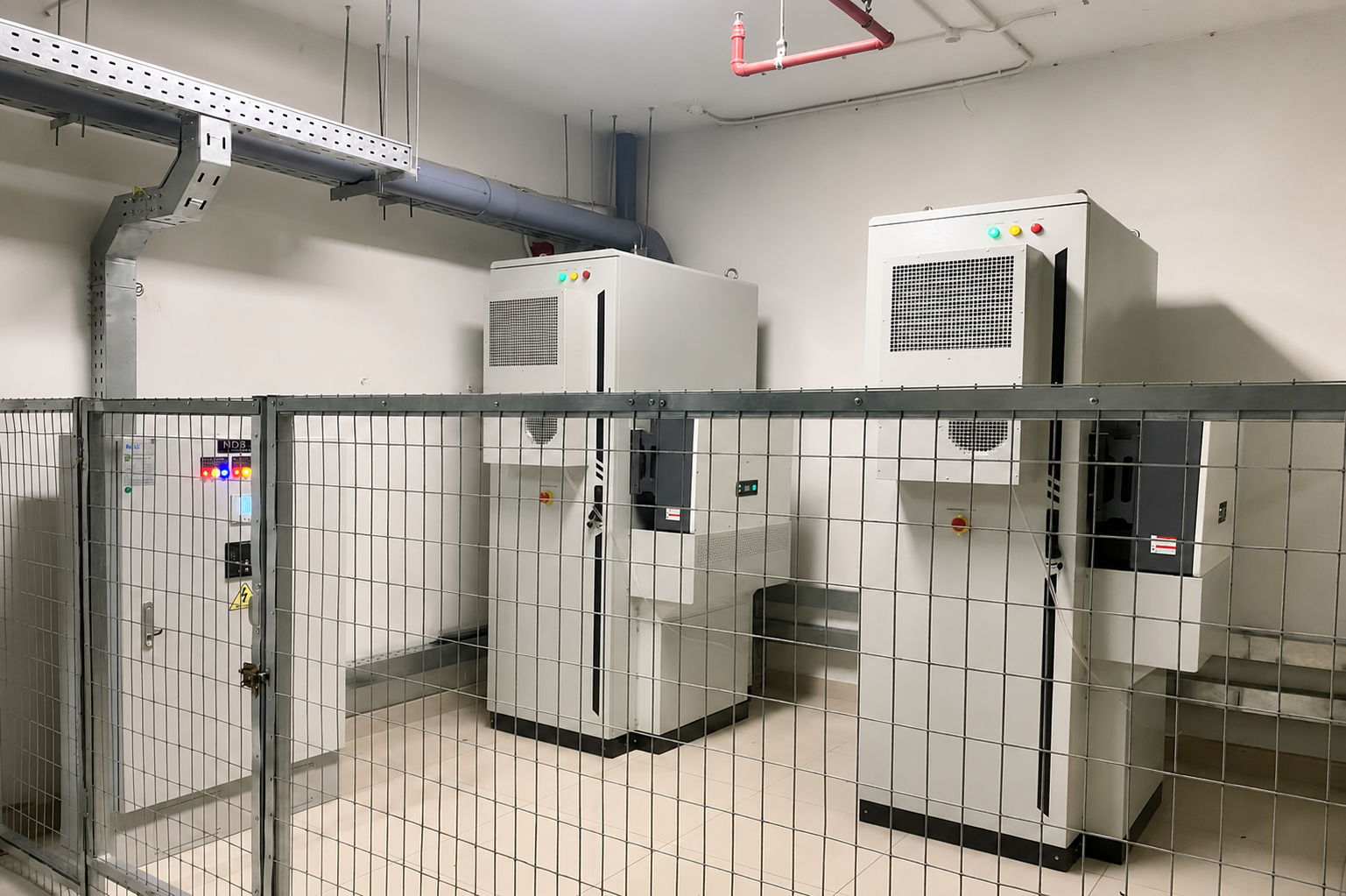
In an era of increasing energy demands, climate challenges, and grid vulnerabilities, hybrid energy storage systems that seamlessly operate both on-grid and off-grid have emerged as a transformative solution. These systems combine renewable generation, battery storage, intelligent controls, and optional backup sources like diesel generators to deliver reliable, efficient, and sustainable power. They bridge the gap between grid-connected stability and off-grid autonomy, making them ideal for diverse applications from urban commercial facilities to remote industrial sites.
A hybrid on-off grid energy storage system can function in two primary modes. In on-grid mode, it connects to the utility grid, enabling energy arbitrage, storing cheap electricity and discharging during peaks, peak shaving, and export of surplus renewable energy. When the grid experiences outages or instability, the system automatically islands, switching to off-grid mode, to maintain uninterrupted power using stored energy and local generation.
Core components typically include:
Renewable sources such as solar PV arrays or wind turbines.
Battery Energy Storage Systems (BESS), often lithium-ion or advanced chemistries, for storing excess energy.
Hybrid inverters or power conversion systems (PCS) that handle bidirectional power flow and mode switching.
Energy Management System (EMS) for intelligent optimization of power dispatch.
Backup generators for extended reliability.
Monitoring and control hardware for seamless transitions with zero or minimal interruption.
This architecture addresses the intermittency of renewables while providing resilience. For instance, during high solar production, excess power charges batteries or feeds the grid. At night or during cloudy periods, batteries discharge to meet demand. In off-grid scenarios, the system prioritizes critical loads and optimizes fuel use if generators are involved.
Hybrid systems reduce reliance on fossil fuels, lower operational costs through optimized energy mix, and enhance energy security. By minimizing diesel runtime in remote setups, they cut fuel consumption and carbon emissions significantly. Scalability is another strength, systems can start small and expand modularly as needs grow.
Applications are broad:
Remote and island communities: Where grid extension is uneconomical.
Industrial sites like mines or oil fields with unreliable power.
Commercial & Industrial (C&I) facilities seeking backup and cost savings.
Disaster-prone areas requiring resilient microgrids.
Weak grid regions that benefit from hybridization for stability.
Successful implementation requires careful sizing and control strategies. The hybrid energy storage system may combine batteries with supercapacitors or flywheels for high-power, short-duration response alongside high-energy, long-duration storage. Power electronics must support off-grid and on-grid operations.
Challenges include initial capital costs, regulatory hurdles for grid interconnection, and the need for robust cybersecurity in smart controls. However, falling battery prices and modular designs are making these systems increasingly accessible. Seamless switching is critical, modern systems achieve near-zero interruption through automatic transfer switches and sophisticated inverters.
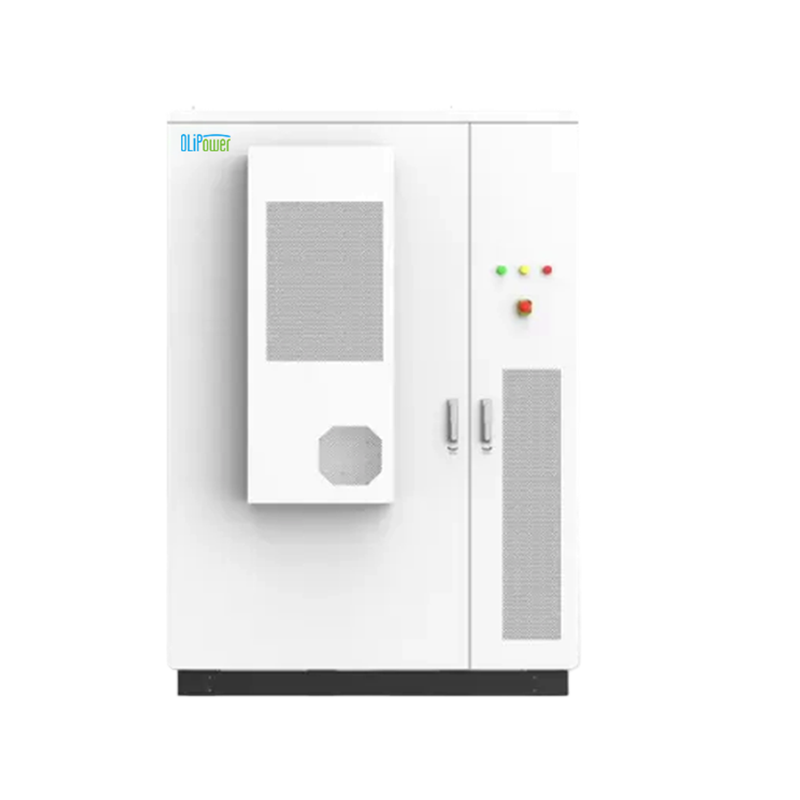
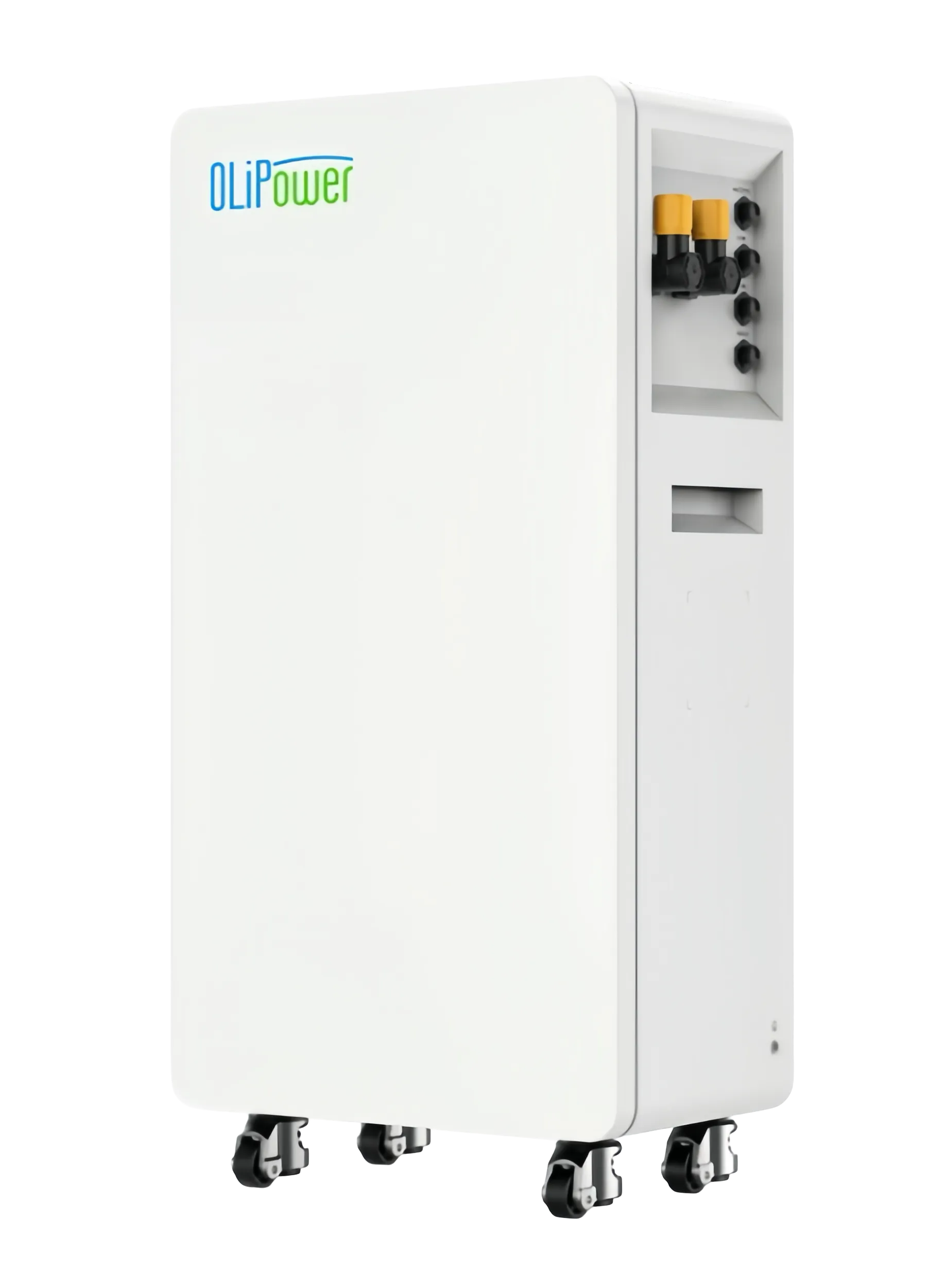
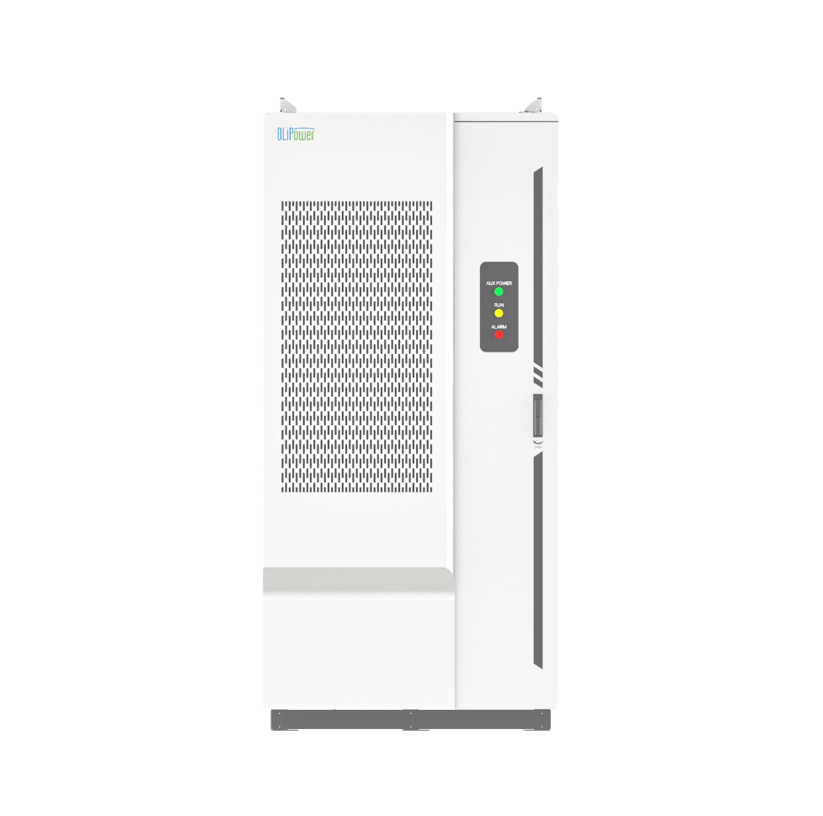
Leading providers are delivering integrated, turnkey solutions tailored for hybrid applications. OLiPower, for example, specializes in reliable micro-grid BESS solution optimized for off-grid, remote, and weak-grid environments. The all-in-one systems integrate PV + ESS + Diesel hybrids with intelligent EMS for automatic power dispatch optimization. Key features include seamless on-off grid switching for continuous operation, modular deployment for rapid installation in challenging locations, and significant reductions in diesel consumption and operating costs.
OLiPower’s solutions emphasize high-performance power delivery, ensuring stable green electricity for islands, mines, and other demanding sites. Their scalable platforms support flexible configurations that adapt to growing energy needs while prioritizing reliability and efficiency. Deployments in regions like Australia, Africa, and Asia highlight their real-world effectiveness in delivering 24/7 autonomy.
The global push toward decarbonization, combined with rising extreme weather events, positions on-off grid hybrid energy storage systems as a cornerstone of future energy infrastructure. Integration with emerging technologies like hydrogen storage or AI-driven predictive controls will further enhance performance.
For businesses and communities, investing in hybrid microgrids means not just energy independence but also long-term cost savings and environmental stewardship. As technology matures and policies evolve to support distributed energy resources, these systems will play an increasingly vital role in building a resilient, sustainable energy landscape.
Whether for a remote industrial operation or a commercial facility seeking backup resilience, hybrid energy storage offers a versatile pathway forward. BESS suppliers like OLiPower are at the forefront, offering engineered solutions that make complex hybrid deployments practical and profitable today.