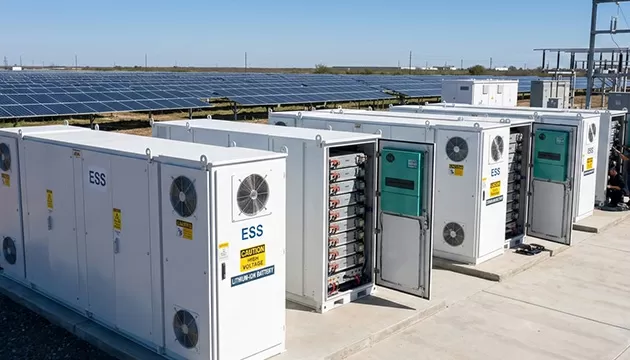
Micro Energy Storage Systems (Micro ESS), typically referring to compact Battery Energy Storage Systems (BESS) integrated into microgrids, are transforming how organizations and communities manage power. Ranging from tens of kilowatts to a few megawatts, these systems combine energy storage with renewable generation and intelligent controls to deliver reliable, cost-effective, and sustainable electricity. Their versatility makes them suitable for a wide array of applications, from remote off-grid sites to urban commercial facilities.
One of the most impactful applications of micro ESS is in remote and island settings where extending the main grid is prohibitively expensive or technically challenging. These systems pair solar PV or wind turbines with battery storage and optional diesel hybrids to provide 24/7 power autonomy. During the day, excess renewable energy charges the batteries; at night or during low-generation periods, stored energy powers homes, schools, and essential services.
In island microgrids, micro ESS stabilizes voltage and frequency, reduces diesel dependency by 50-80% in many cases, and minimizes fuel transportation costs. Real-world deployments have brought reliable electricity to previously underserved areas, improving quality of life, enabling education after dark, and supporting small businesses.
Remote mines, oil fields, and heavy industrial sites represent another prime application area. These facilities often face unreliable grids or operate entirely off-grid, relying heavily on diesel generators. Micro ESS hybrid solutions deliver significant operational savings by peak shaving, load balancing, and optimizing generator runtime.
For example, a mining operation can use solar-charged batteries to supply power during peak daytime loads, allowing generators to run at optimal efficiency or shut down periodically. This reduces fuel consumption, maintenance costs, and emissions while enhancing energy security in harsh environments. Modular micro ESS designs allow rapid deployment and future expansion as production scales.
In grid-connected environments, micro ESS shines in commercial buildings, factories, data centers, and hospitals. Key applications include peak shaving to avoid high demand charges, energy arbitrage (storing low-cost electricity and discharging during expensive periods), and backup power for resilience.
During outages, these systems island seamlessly, maintaining critical operations and preventing costly downtime. Data centers benefit from high-power, short-duration response for frequency regulation, while manufacturing plants use storage to smooth production loads and integrate rooftop solar effectively.
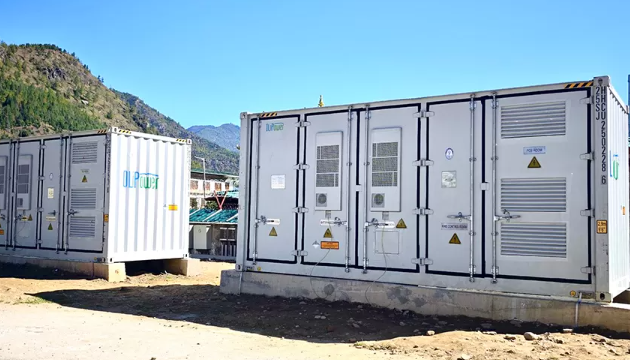
Regions with weak or intermittent grid infrastructure use micro ESS to improve power quality. The systems provide voltage support, frequency regulation, and renewable firming, allowing higher penetration of solar and wind without destabilizing the network. In rural electrification projects, containerized micro ESS solutions bring clean power to villages, agricultural operations, and small industries.
Hospitals, emergency response centers, military bases, and public safety facilities increasingly deploy micro ESS for resilience. These systems ensure uninterrupted power during storms, wildfires, or grid failures. When combined with solar, they can operate indefinitely in islanded mode with minimal external inputs, supporting life-saving equipment and communication systems.
Farms and greenhouses use micro ESS for irrigation pumps, climate control, and EV charging for electric tractors or utility vehicles. In cold storage or processing facilities, storage helps manage high refrigeration loads efficiently. EV charging stations also integrate micro ESS to manage peak demand and enable off-grid or semi-off-grid installations.
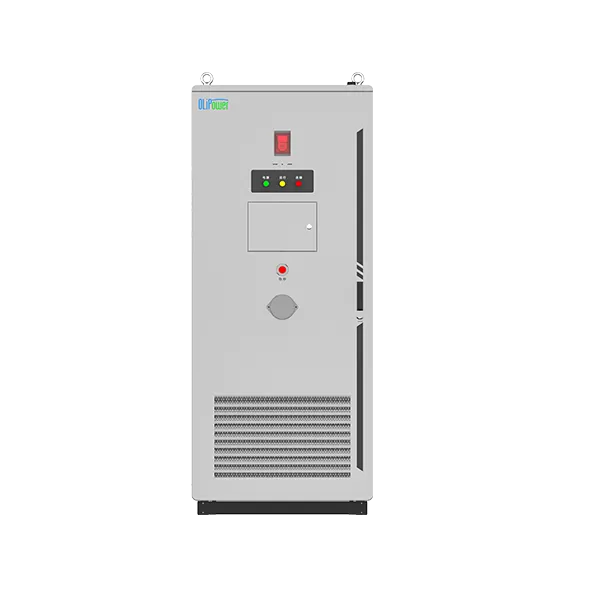
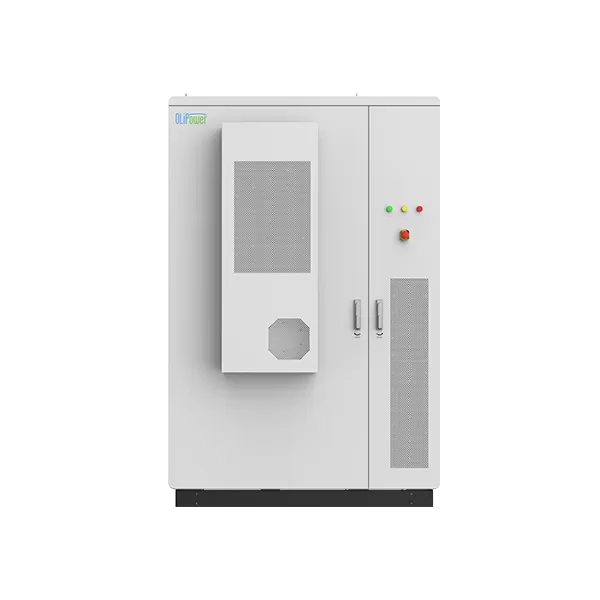
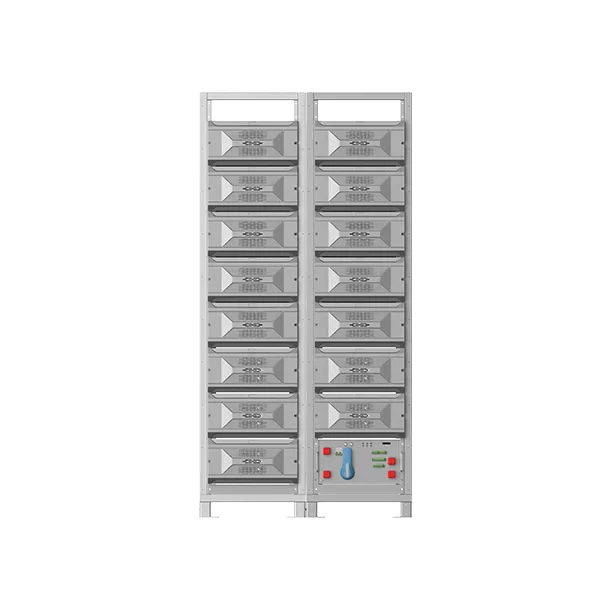
Providers specializing in micro ESS are delivering tailored, turnkey solutions for these diverse use cases. OLiPower offers reliable micro-grid BESS solutions optimized for off-grid, remote, and weak-grid environments. Their all-in-one systems integrate PV, ESS, and diesel hybrids with intelligent Energy Management Systems (EMS) for automatic optimization and seamless on-off grid switching.
OLiPower’s platforms have been successfully deployed across numerous projects in China, as well as international sites in Australia, Bhutan, Ethiopia, India, Malaysia, and the US. These installations deliver stable green electricity to islands and remote mines, significantly cutting diesel use and operating costs while ensuring continuous power availability. Their modular approach supports rapid deployment even in challenging locations, making advanced micro ESS applications practical and economical worldwide.
As decarbonization accelerates and extreme weather events increase, micro ESS adoption will expand into new areas such as virtual power plants, EV-integrated microgrids, and hybrid hydrogen-storage systems. Policy support and technological advances will further democratize access.
Micro ESS applications are proving that localized, intelligent energy storage is not just a technical solution but a strategic enabler for sustainable development. From powering remote mines to stabilizing island grids or ensuring business continuity in commercial facilities, these systems deliver tangible value today. Innovative providers like OLiPower continue to push the boundaries, offering robust solutions that make reliable, clean energy accessible wherever it is needed most.